AI Quality Control: The Complete Guide to Automated Defect Detection
Reduce manufacturing defects by 40–60% with AI-powered quality control. Achieve 99.2% accuracy, eliminate inspection bottlenecks, and save €1.8M+ annually per production line.
- August 2026
- 12 minute read
- Manufacturing · Quality Control · AI Vision
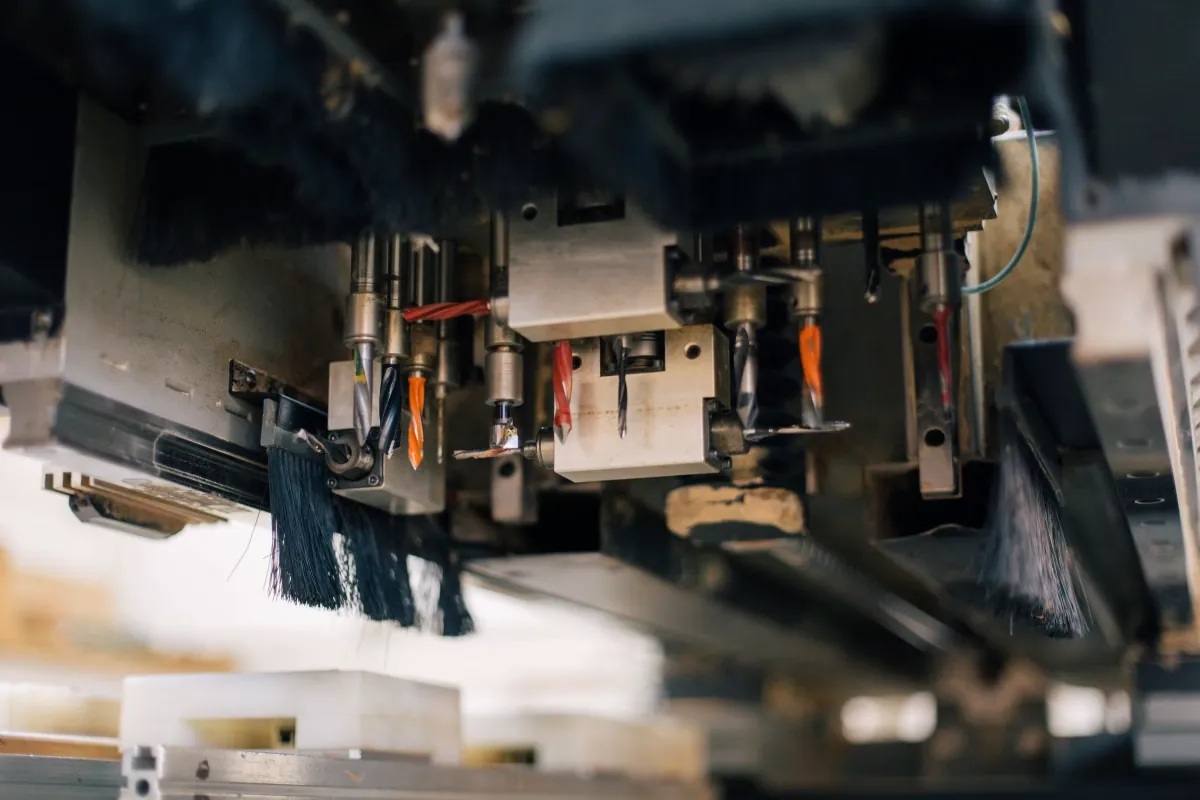
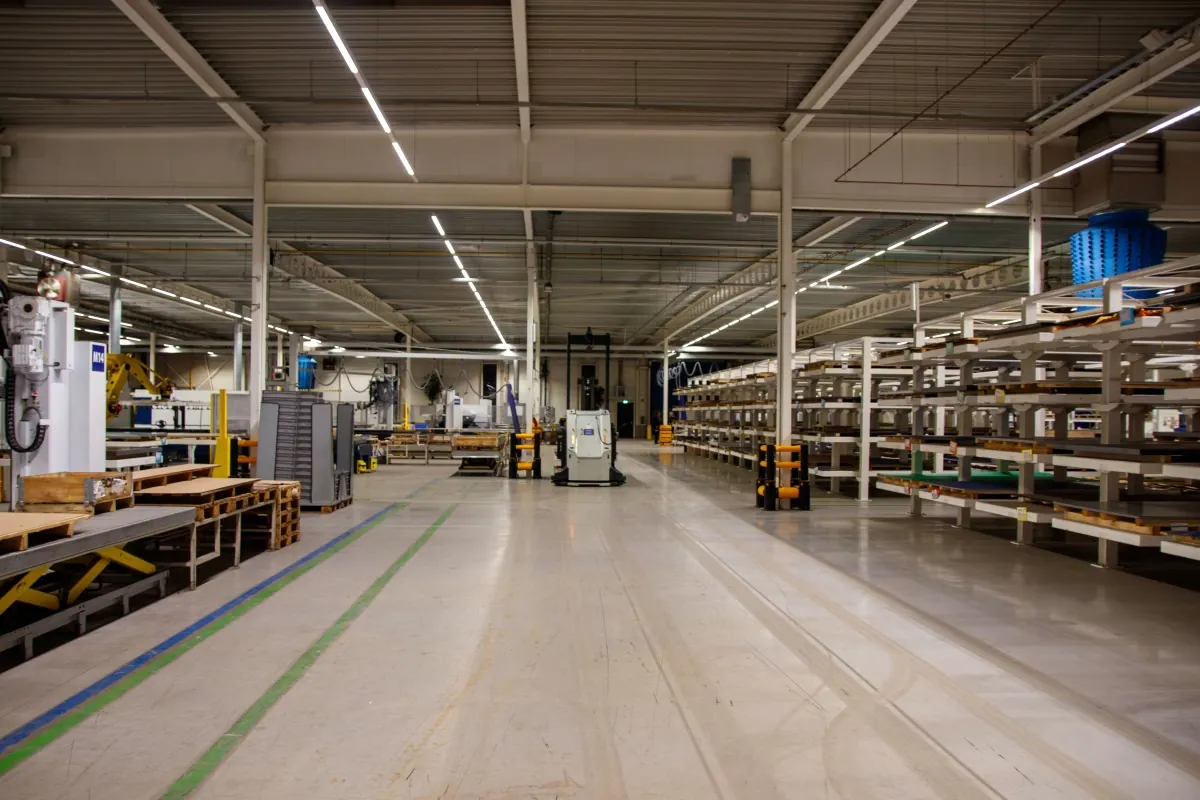
Why Manufacturing Quality Control Matters
Every defective product that reaches a customer costs you money—not just in refunds, but in lost reputation and future sales. Traditional quality control has meant:
- Manual visual inspection (slow, inconsistent, prone to human error)
- Expensive operators checking products 8+ hours/day
- High false positive rates (rejecting good products, missing defects)
- Production bottlenecks (inspection slows your line down)
What if you could eliminate 80% of these problems? AI-powered quality control solves this. By combining computer vision and machine learning, automated inspection systems can detect defects in milliseconds with 99%+ accuracy—better than human inspectors, with zero fatigue.
How AI Quality Control Works
The Three-Step Process
Real-Time Defect Detection Pipeline
- 01
Step 1: Image Capture
Milliseconds per product
- 02
Step 2: AI Analysis
99.2% accuracy detection
- 03
Step 3: Automated Action
Real-time sorting/ejection
- 04
Data Logging
Every defect tracked
Step 1—Image Capture (Real-Time): Your production line cameras capture images of every product as it moves down the line. Modern optical hardware already exists; AI integrates with it.
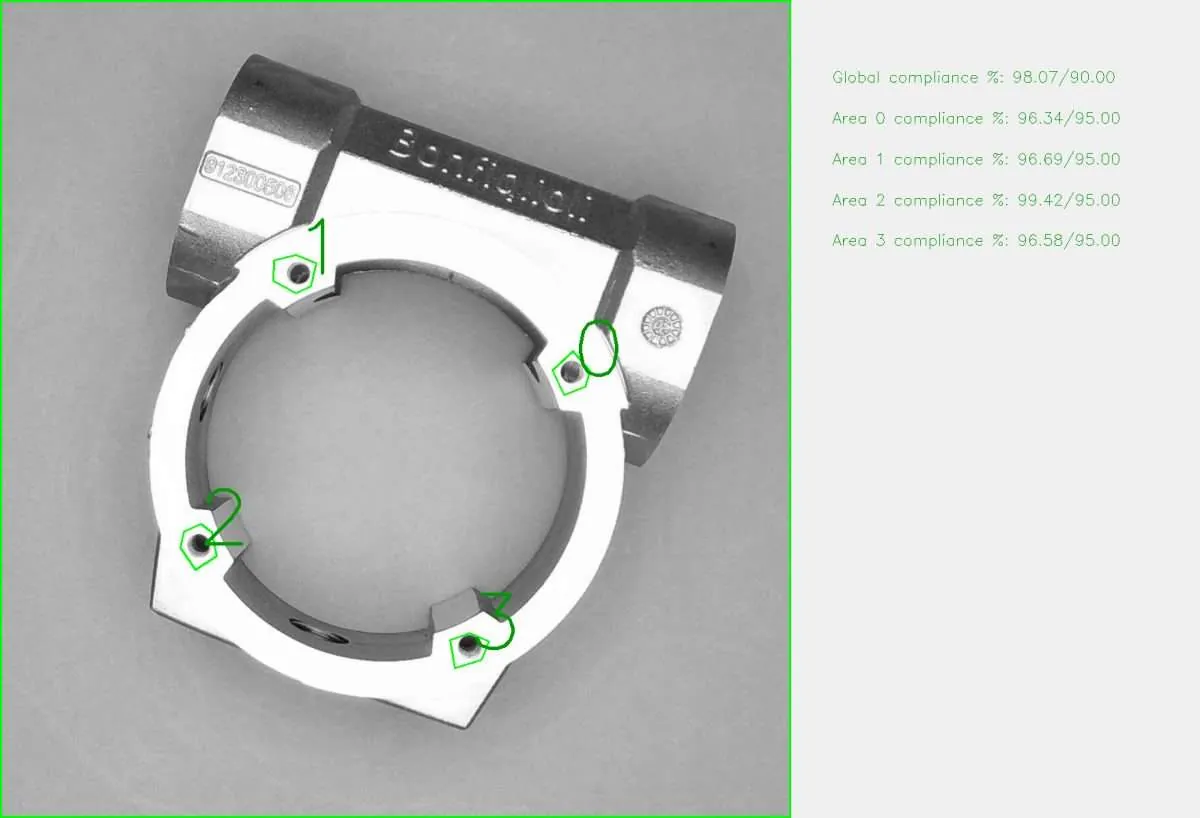
Step 2—Instant Analysis (AI/ML): Computer vision algorithms trained on thousands of defect examples analyze each image in milliseconds. The system identifies surface scratches, dimensional misalignment, contamination, solder bridges (PCB), weld seam irregularities, cracks, and fractures.
Step 3—Automated Sorting (Real-Time Actions): When a defect is detected, the system flags the product for removal, triggers pneumatic ejectors, logs the defect type and location, and alerts operators via dashboard.
Core Benefits for Your Manufacturing Business
1. Reduce Defects by 40–60%
Manual inspection catches ~70% of defects. AI catches 99%+. A medium-sized PCB manufacturer running 1,000 units/day will catch an extra 290 defects daily that humans miss. Over a year, that’s 106,000 fewer defects reaching customers.
Annual Impact Example
106,000 defects × €92 average cost per defect = €9.8M saved annually (warranty returns, reputation damage, rework labor)
2. Eliminate Operator Labor Costs
Modern QC still relies on 2–4 full-time inspectors per shift at €41K/year + benefits. That’s €184K+/year per production line in labor costs. AI quality control operates 24/7 with zero additional labor cost after deployment.
3. Increase Production Speed
Manual inspection adds 5–15 seconds of cycle time per product. Remove the bottleneck, and throughput increases by 10–20%. A packaging line running 300 units/minute with manual QC hits 270 units/minute due to inspection delays. Switch to AI and hit 300+ units/minute.
Throughput Impact: Real Numbers
- 01
Current Speed
270 units/min
- 02
AI-Enabled Speed
300+ units/min
- 03
Annual Extra Units
3.6M units
- 04
Revenue Gain (€4.60/unit)
€16.6M annually
4. Data-Driven Production Insights
Unlike human inspectors, AI logs every defect with precision: location (map of where), severity level (critical/major/minor), trend over time (is defect rate rising?), and line correlation (defects linked to specific production line or time of day?). This data feeds into your quality improvement program.
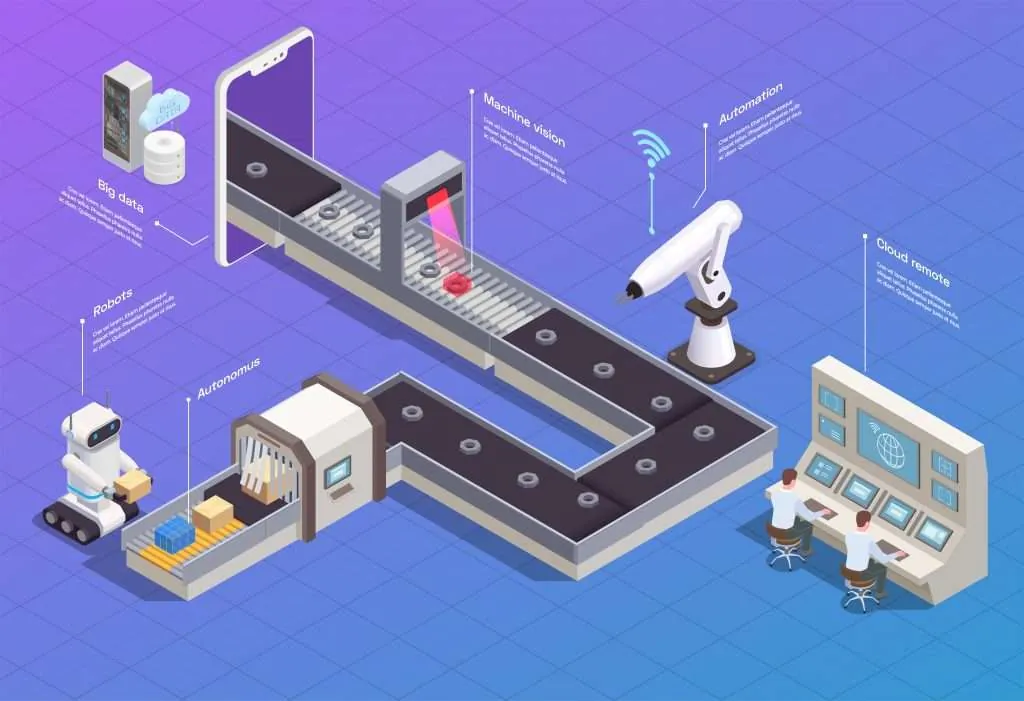
Industry Verticals: AI Quality Control Solutions
PCB Inspection
Detect solder bridges, component misalignment, trace defects, contamination. See PCB-specific solutions
Weld Seam Inspection
Porosity, spatter, undercut, seam geometry misalignment—all detected in real-time.
Glass & Packaging Inspection
Surface scratches, cracks, labeling misalignment, seal integrity verification.
Pharmaceutical & Food
Blister pack seal, label accuracy, fill level verification, contamination detection.
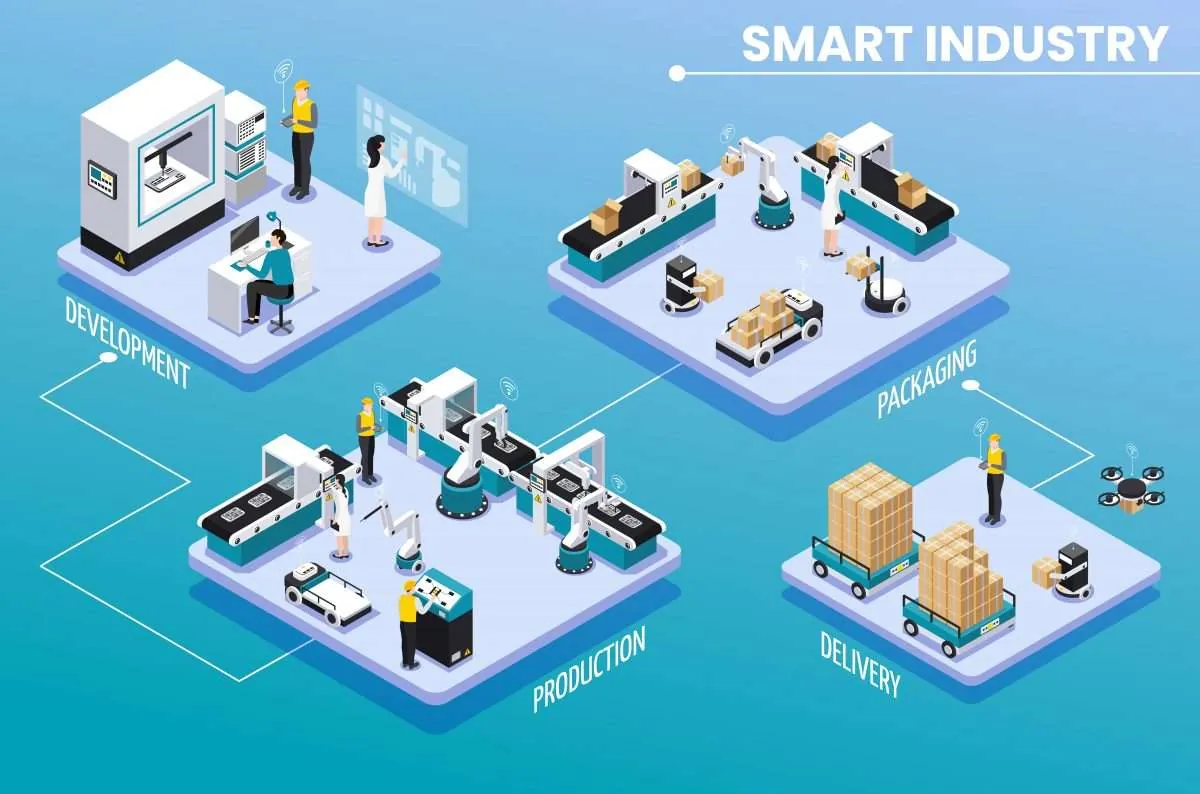
Choosing an AI Quality Control Partner
What to Evaluate:
- Accuracy in Your Specific Defect Types: Ask vendors for defect detection rates specific to your production. Insist on a pilot on your production line.
- Integration with Existing Hardware: Good AI QC works with cameras you already have. Bad solutions require expensive replacements.
- Real-Time Performance: The system must analyze and respond within your cycle time. At 100 units/minute, that’s <600ms per decision.
- Transparent Algorithms: You need to understand why the system rejected a part. Black-box “machine learning” doesn’t work in manufacturing.
- Continuous Learning: As production evolves (new suppliers, designs, materials), the system must adapt via easy retraining.
Getting Started
Step 1: Audit Your Current QC
Document: How many defects are you currently catching? What’s slipping to customers? What’s your QC labor cost? Where’s the bottleneck?
Step 2: Identify Your Highest-Impact Line
Start with the production line where QC is most painful: highest labor cost, most bottleneck, or highest defect escape rate.
Step 3: Run a 4-Week Pilot
Measure: Defect detection rate vs. manual baseline, throughput change, false positive rate, operator feedback.
Step 4: Calculate ROI
If defect reduction + labor savings + throughput gains justify the cost, roll out to other lines.
Real-World ROI: PCB Manufacturing Case Study
Mid-Sized Contract PCB Assembler: Year 1 Results
- 01
Production Volume
5,000 units/day
- 02
Defect Detection Improvement
+41% caught
- 03
Labor Reduction
-81% hours
- 04
Throughput Gain
+700 units/day
- 05
Total Year 1 Savings
€7.6M
- 06
System Cost
€165K
Breakeven in ~22 days. The system pays for itself in less than a month, then generates pure margin for the rest of the year.
Accuracy Comparison: Human vs. AI
| Defect Type | Human Accuracy | AI Accuracy | Improvement |
|---|---|---|---|
| Solder bridges | 72% | 98% | +26% |
| Cold solder joints | 65% | 96% | +31% |
| Missing components | 81% | 99% | +18% |
| Component rotation (>10°) | 78% | 97% | +19% |
| Contamination | 59% | 94% | +35% |
| Overall | 71% | 98.6% | +27.6% |
Where human inspectors catch 71 defects per 100, AI catches 98–99. The consistency is non-negotiable: every board gets the same rigorous inspection, every time.
FAQ
Another question? Call us on +39 049 825 6850 or email info@logirobotix.com.
Do I need to replace my cameras?
How long does the system take to learn?
What if the AI is wrong?
What happens to my QC staff?
Start Your AI Quality Control Pilot
See how AI vision transforms your production line. Fast deployment, proven accuracy, ROI in weeks not months.
Test it on your line. Before you spend a euro.
Send us 20 defective parts or high-res photos. We train a model on your parts and show you detection rate, false positives and cycle time before you sign anything.
- parts or photos
- 20
- parts or photos
- days to results
- 5-7
- days to results
- no commitment
- €0
- no commitment
Trusted on production lines at




Related applications
-
 Article
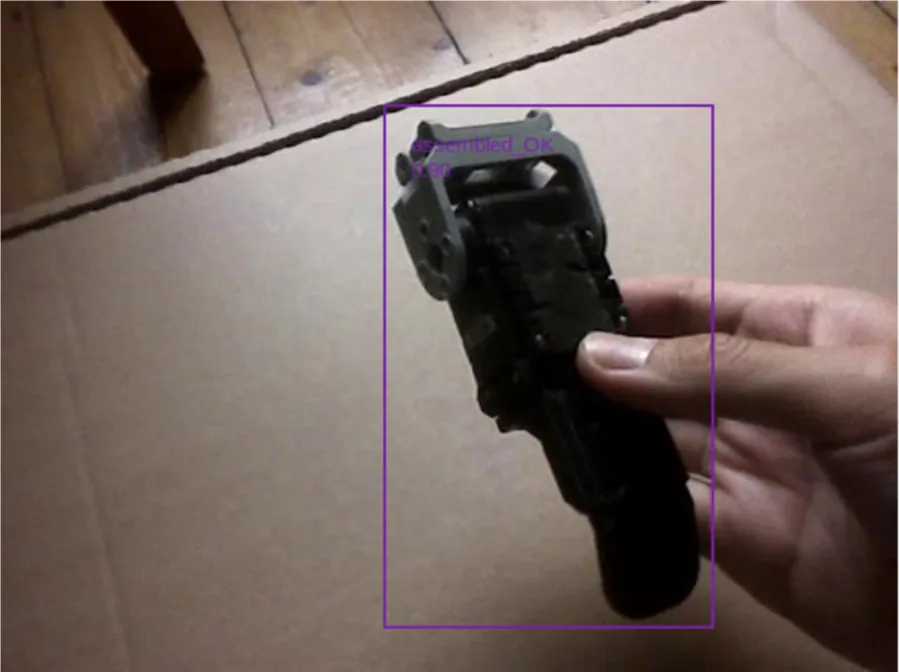
Computer Vision & Augmented Reality in Manufacturing.
Computer vision and augmented reality are no longer futuristic concepts. They are reshaping the factory floor today — enabling machines to see, and operators to act with…
Read - Solution
Engineers who build AI that works on real production floors.
Founded by engineers with a passion for automation and real-world problem-solving. We combine computer vision, AI, and industrial systems expertise to help manufacturers…
Read -
 Solution
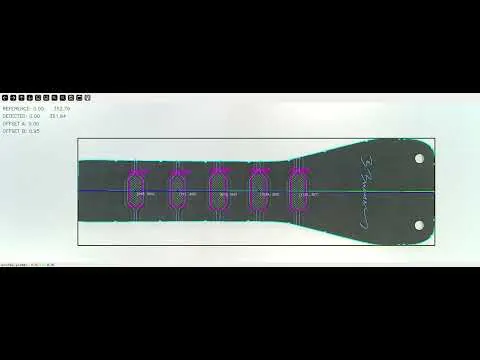
AI Quality Control That Never Sleeps
100% inline inspection at production speed. Defect detection accuracy 99.8%. Zero sampling bias. Real-time decisions every millisecond.
Read