AI vision inspection for pharma and medical devices
Vials, syringes, blisters, kits and device assemblies inspected at production speed, with every decision and image stored for your batch record.
- Free test on 20 parts
- Results in 5 to 7 days
- Running in one day
- From €1,200/mo, no CAPEX
The defects that cost pharmaceutical producers the most.
Trained on your parts, with your OK and NG examples. Each decision is stored with its image.
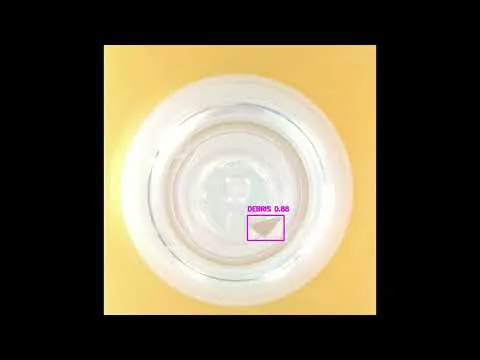
- Particles and debris
- Cracks and chips in glass
- Fill level
- Stopper and cap presence
- Blister completeness
- Kit contents
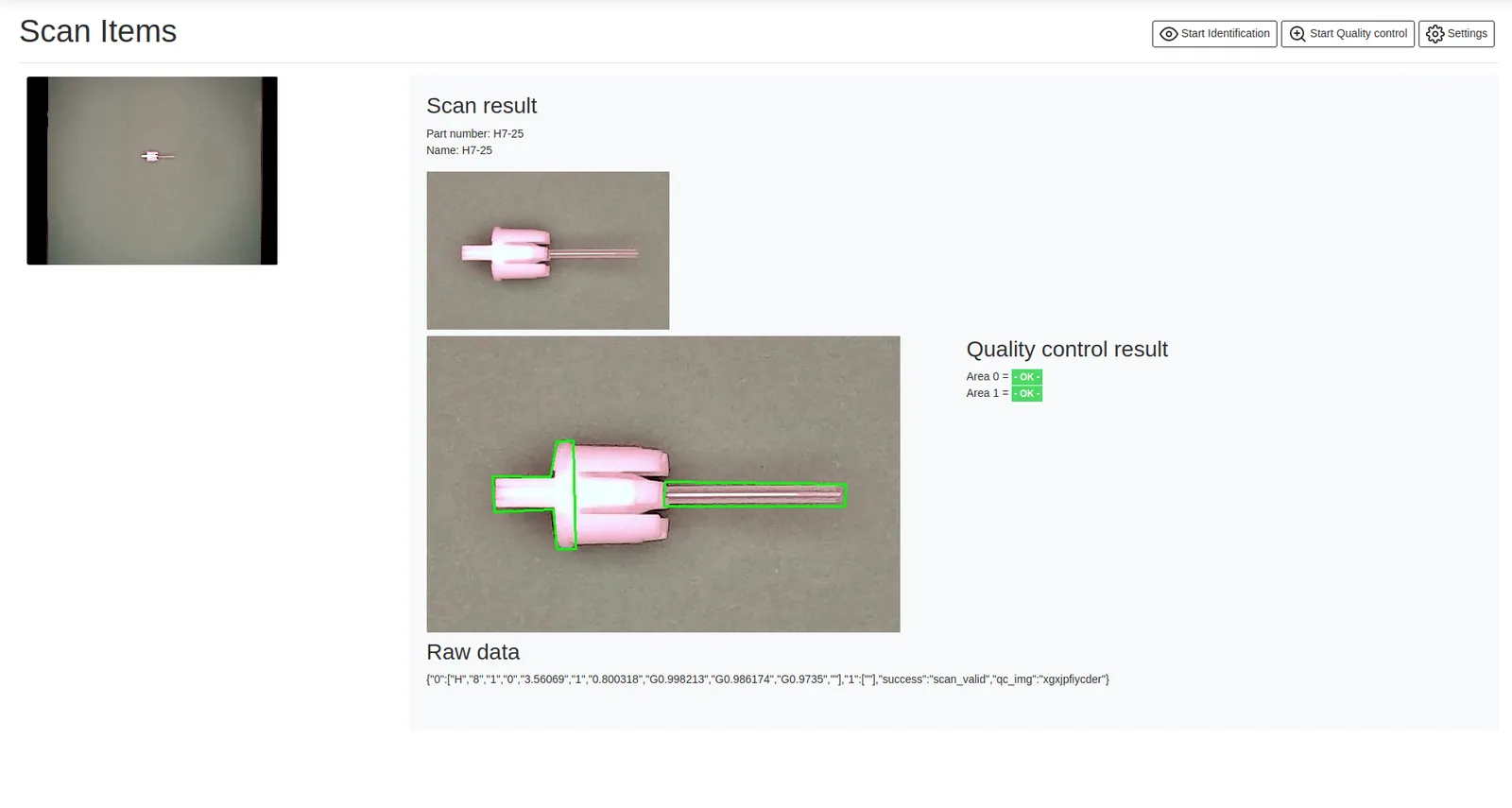
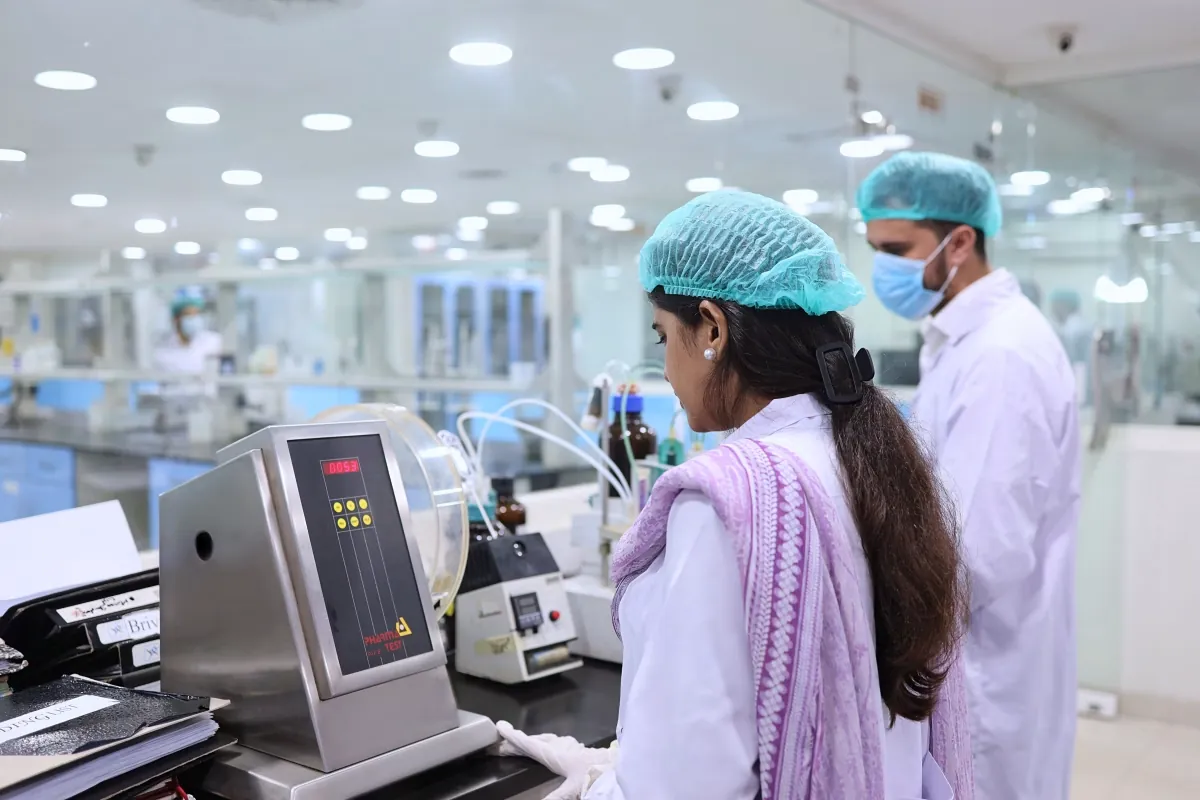
Where manual inspection breaks down.
The same three problems come up on almost every first call in this sector.
- 01
A missed defect reaches a patient
Recalls and regulatory action start with one unit that should not have left the line. Manual AQL sampling cannot promise more.
- 02
Human inspection fatigues
Particle inspection by eye is slow and inconsistent between operators and shifts.
- 03
Audits want proof
Each OK and NG is stored with its image, time and batch, ready for deviation handling and audit.
Manual inspection cost down by up to 70%
- manual inspection cost
- −70%
- manual inspection cost
- of units inspected
- 100%
- of units inspected
- decision stored with its image
- Every
- decision stored with its image
Debris detected in a glass vial From your parts to a running station in three steps.
No machine vision engineers on your side, and no CAPEX: hardware, software, installation and support are one monthly fee.
- 1
Free test
Send about 20 good and defective parts or high-res photos. We train a model and report detection rate, false positives and cycle time in 5 to 7 days.
- 2
Install in one day
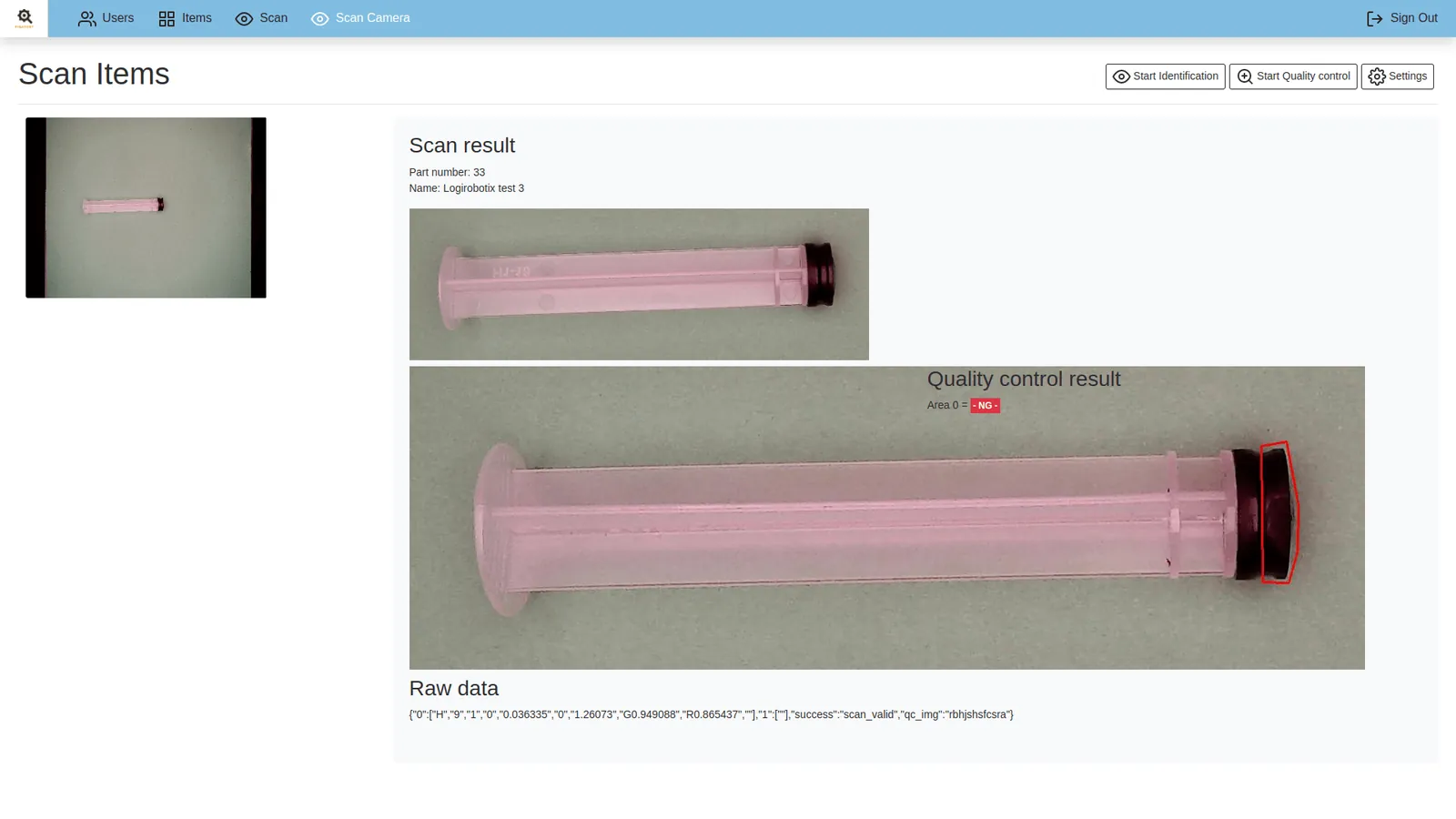
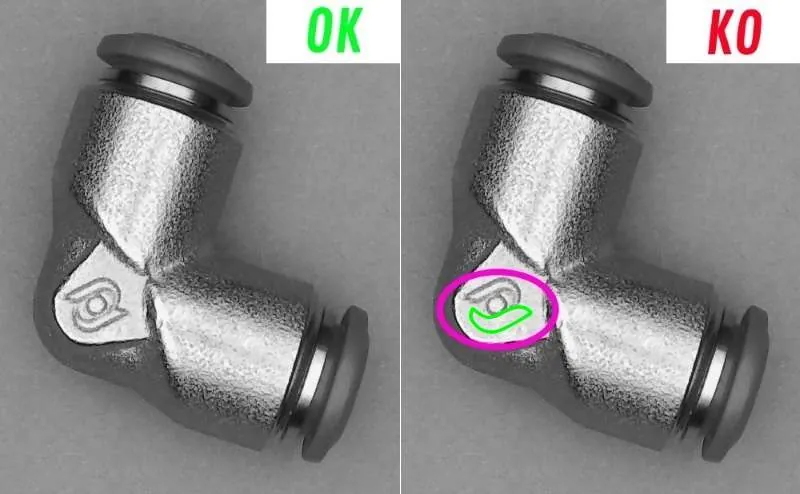
Camera, lighting and edge PC mounted at your station. Operators see OK or NG, with the defect marked on the image.
- 3
Improve every week
Every result is logged. When your parts or specs change, we retrain the model as part of the plan.
AI vision in pharmaceutical, in detail.
-
 Solution
Inspect Pharmaceutical Vials
AI-powered vial inspection detects cracks, particles, fill-level anomalies, and contamination at production speed — ensuring GMP compliance.
Read -
 Solution
AI Vision for Pharmaceutical Packaging Inspection
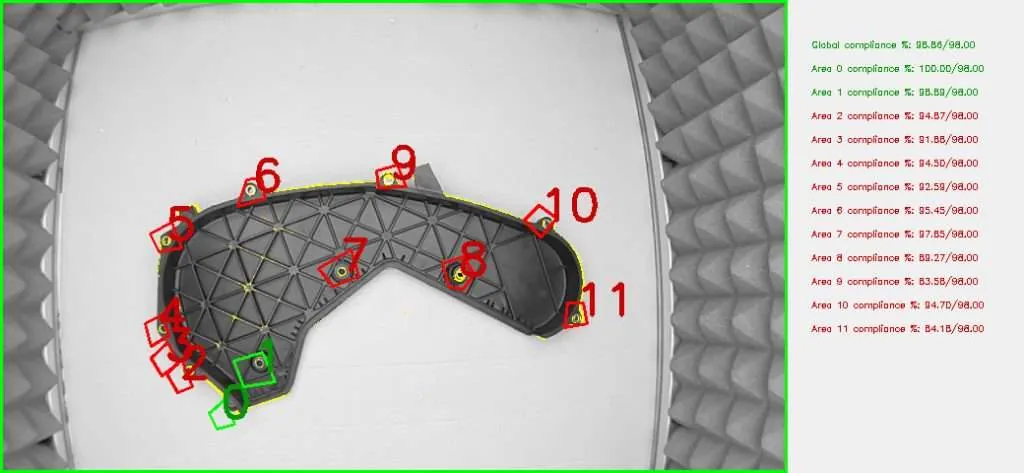
Detect surface defects, dimensional variance, and quality issues in vials, ampoules, syringes, and more. Reduce manual inspection costs by up to 70% while maintaining…
Read -
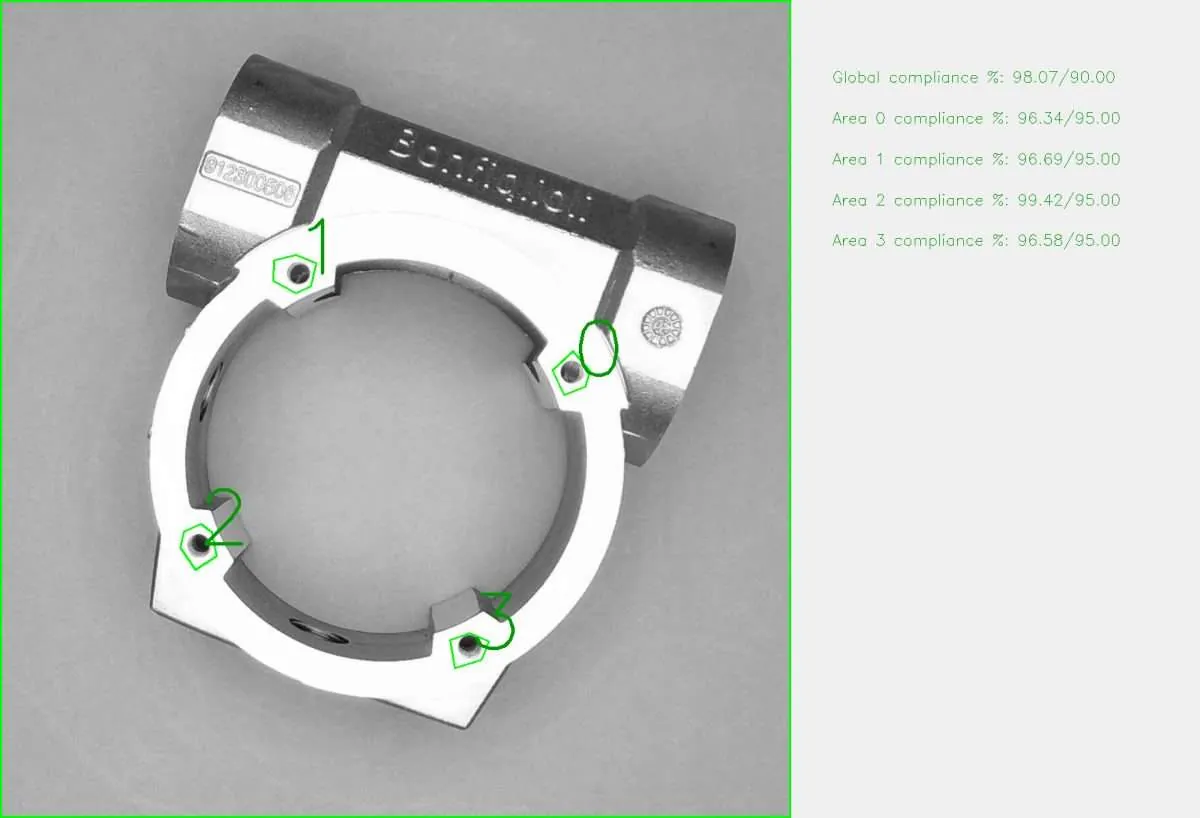 Solution
Medical Device Assembly Inspection
100% syringe, needle, connector inspection with AI vision. Detect invisible defects in real-time. FDA 21 CFR Part 11, GMP compliance, complete traceability, ROI 2-4…
Read -
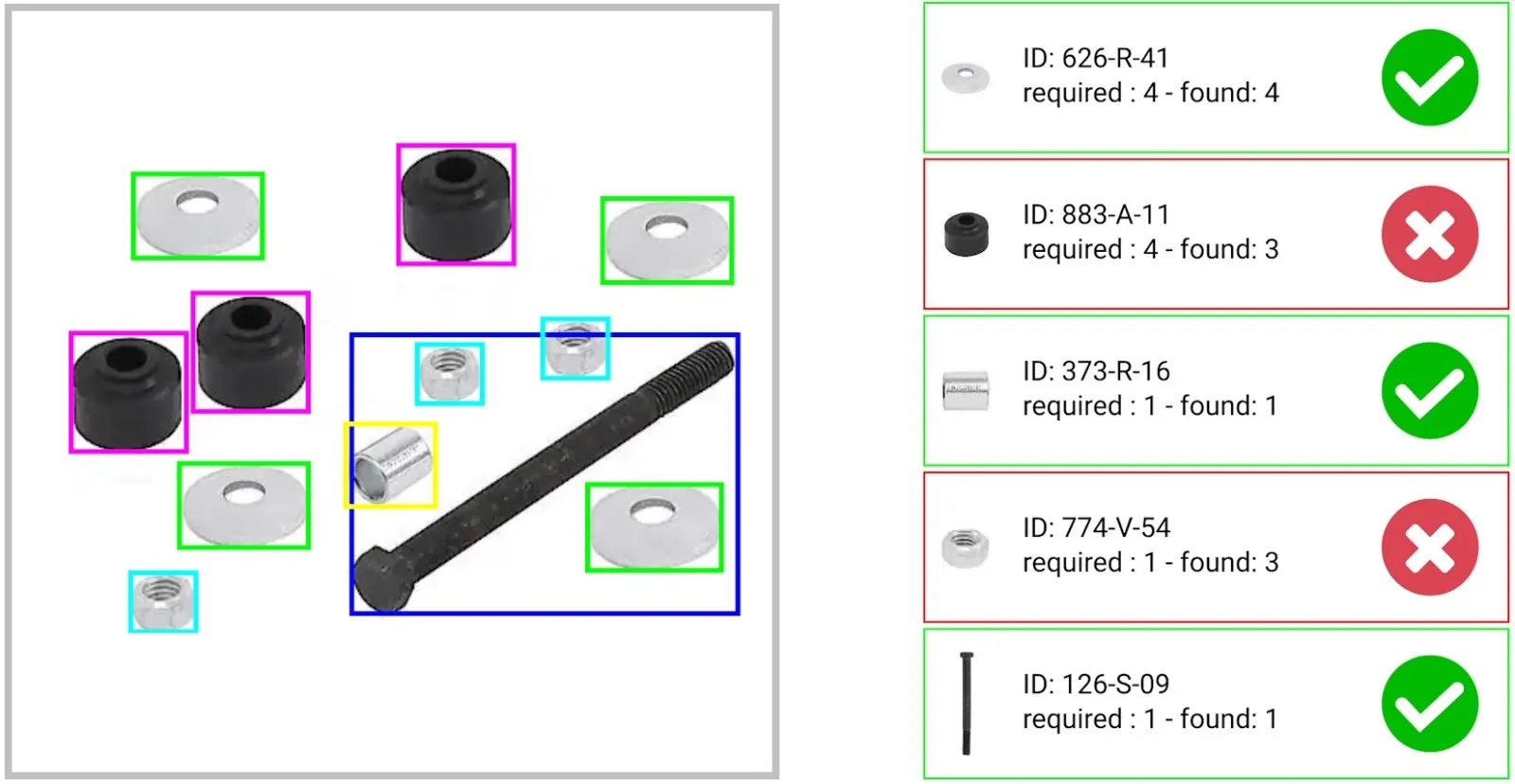 Solution
Verify Kit Completeness
Ensure every component is present in medical kits and surgical packs. AI verifies kit contents at 100% accuracy before shipment.
Read -
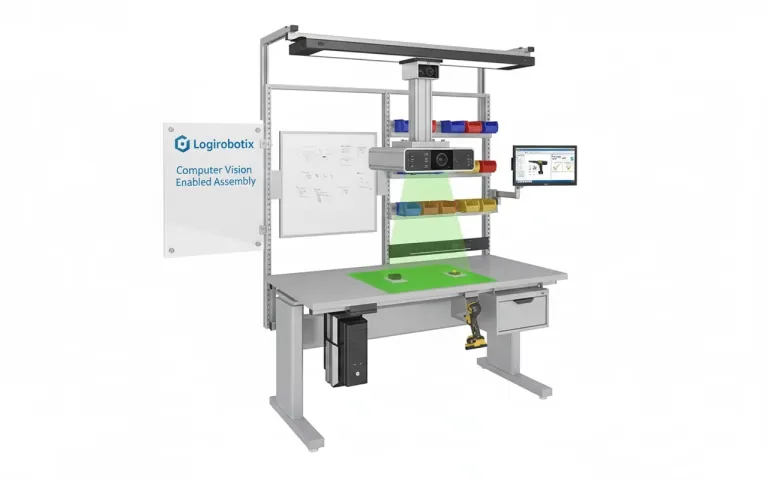 Solution
Wearable Injector & Cartridge QC
AI-powered glass cartridge inspection and drug delivery device assembly verification. Detect delamination, fill defects, and device integration failures before they reach…
Read -
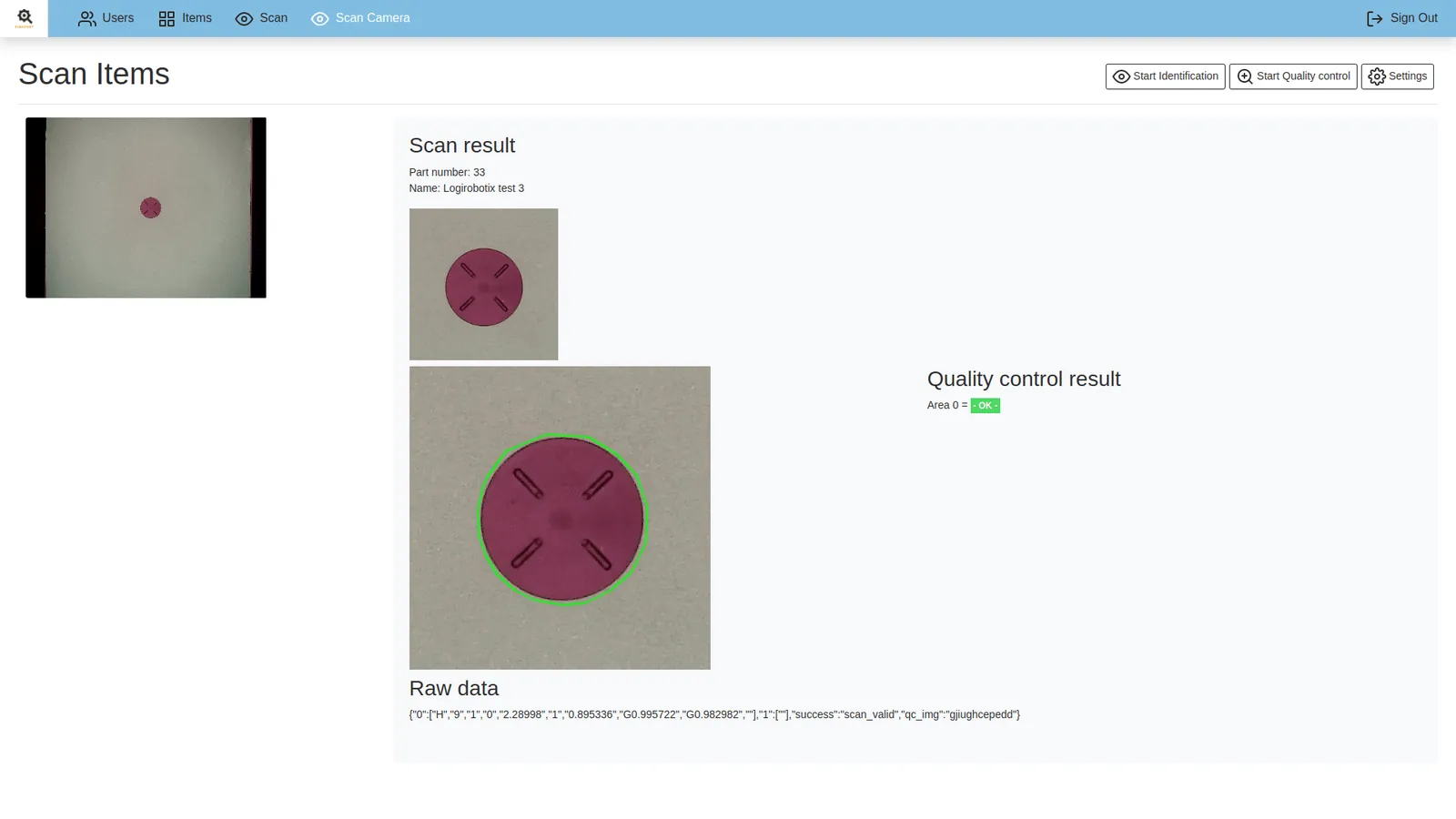 Article
Automated Testing of Medical Devices: Vision & AI.
The medical device industry demands the highest standards of quality and safety. Automated testing powered by computer vision and autonomous AI is transforming how…
Read
What pharmaceutical teams ask first.
Rather talk it through? Call +39 049 825 6850 or write to info@logirobotix.com.
Is it validated for GMP use?
Can it inspect glass without reflections?
Does it work on manual kit assembly?
Test it on your parts.
Send us 20 defective parts or high-res photos. We train a model on your parts and show you detection rate, false positives and cycle time before you sign anything.
- parts or photos
- 20
- parts or photos
- days to results
- 5-7
- days to results
- no commitment
- €0
- no commitment
Machine vision delivered for