AI Quality Control for Alcantara
Premium automotive material manufacturer increased defect detection from 85% to 99.8% with Logirobotix AI vision. Zero escapes in 6 months.
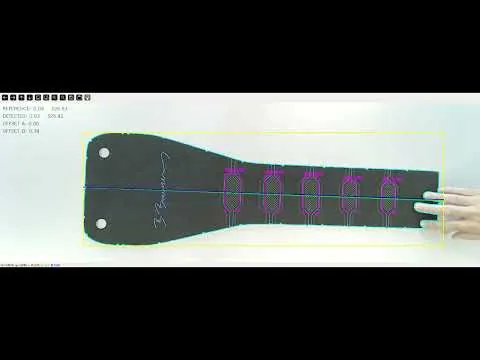
- Defect Detection Accuracy
- 99.8%
- Defect Detection Accuracy
- Annual Savings
- €240k
- Annual Savings
- Field Escapes (6 months)
- 0
- Field Escapes (6 months)
The Challenge
Alcantara produces premium automotive interiors and components used by luxury car manufacturers worldwide. Quality control is mission-critical—even microscopic defects damage brand reputation.
- 01
Manual Inspection Bottleneck
50+ quality inspectors manually checking Alcantara material. Each roll of fabric requires 15-20 minutes of visual inspection.
- 02
High Miss Rate
Manual inspection catches ~85% of defects. Scratches, stains, weave inconsistencies are missed due to operator fatigue.
- 03
Field Failures & Recalls
Defective Alcantara reaches luxury car interiors. Customer complaints, warranty claims, and recalls damage brand trust.
- 04
High Labour & Rework Costs
€320k annual labour + €180k in rework/scrap from escaped defects.
The Logirobotix Solution
100% Inline Alcantara Inspection
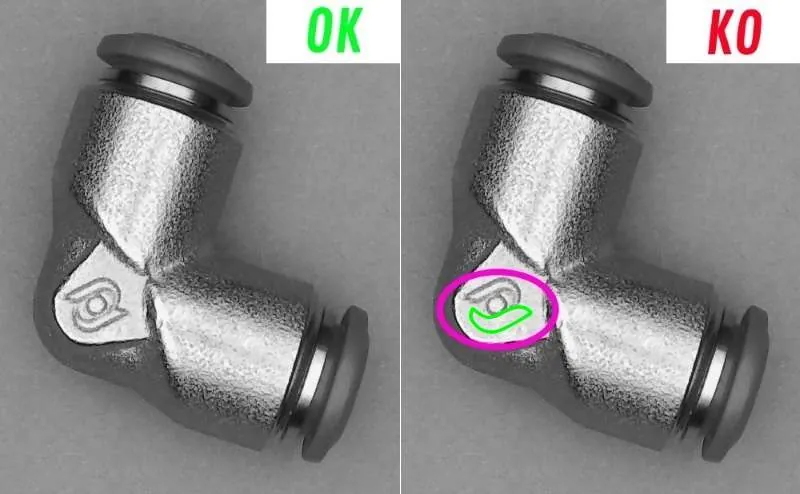
Multi-angle High-Res Imaging — Captures fabric texture, colour, surface defects at 4K resolution
AI Detects Micro-Defects — Scratches >0.3mm, stains, weave inconsistencies, colour drift, pilling
Production Speed (150+ m/min) — Zero line slowdown; automatic roll rejection or flagging
Full Traceability & Reporting — Defect logs, images, and location data for each roll
Live Quality Control Demos
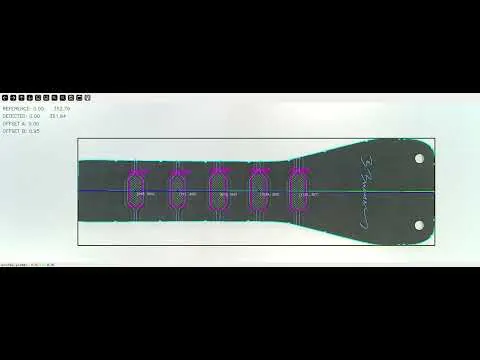
AI defect detection on Alcantara — Real production line test
Surface defect classification — Scratch & stain detection accuracy
Results After 6 Months
- 99.8%
Defect Detection Rate
Up from 85% manual inspection. AI catches micro-scratches, stains, weave inconsistencies that inspectors missed.
- 0
Field Escapes
6 months with zero defective rolls reaching customers. Previously averaging 2-3 escapes per month.
- €240k
Annual Savings
€320k labour reduction + €180k saved from prevented field failures = €500k saved, minus €260k system cost.
- 30
Inspectors Redeployed
Instead of eliminating staff, Alcantara moved 30 inspectors to higher-value roles: process improvement, customer support, product development.
“We were catching 85% of defects manually. With Logirobotix, we’re at 99.8% and zero escapes. The system pays for itself in 12 months through prevented field failures and labour efficiency. More importantly, our customers now receive perfect Alcantara every time.”
— Quality Director, Alcantara Manufacturing
Deployment Overview
How We Implemented It
Location: Inline at end-of-line quality checkpoint, post-drying station
Setup Time: 1 week. No line modifications required.
AI Training: 2 weeks on 500+ roll samples (good & defective)
Go-Live: Full production (1,200+ rolls/day) after 3 weeks optimization
See Similar Results on Your Production
Whether automotive, textiles, packaging, or other surfaces — we can detect defects at 99%+ accuracy inline.
- parts or photos
- 20
- parts or photos
- days to results
- 5-7
- days to results
- no commitment
- €0
- no commitment
Frequently Asked Questions
Another question? Call us on +39 049 825 6850 or email info@logirobotix.com.
How did Alcantara handle the transition from manual inspection?
Does the AI work on all Alcantara types (colours, weaves)?
What happens when a defect is detected?
What was the ROI timeline?
Can this work on other materials (leather, textiles, etc.)?
Trusted on production lines at






Related applications
- Solution
AI Quality Control That Never Sleeps
100% inline inspection at production speed. Defect detection accuracy 99.8%. Zero sampling bias. Real-time decisions every millisecond.
Read - Solution
Computer Vision Projects: From Planning to Production Deployment
A complete guide to implementing AI vision systems in manufacturing — phases, best practices, real ROI data.
Read - Solution
Custom AI Vision Services
Bespoke computer vision systems engineered around your unique production challenges. From design to deployment — we build solutions that work for the problems…
Read