Medical Device Assembly Inspection
100% syringe, needle, connector inspection with AI vision. Detect invisible defects in real-time. FDA 21 CFR Part 11, GMP compliance, complete traceability, ROI 2-4 months.
In medical device manufacturing, a defect in assembly is not just scrap—it’s a patient safety crisis. A single syringe with misaligned needle reaches a hospital, causes tissue damage, triggers FDA investigation, and initiates mass recall. Cost: $500k–2M+ in claims, logistics, reputational damage, and regulatory sanctions.
- September 2026
- 14 minute read
- Medical Devices · Pharmaceuticals · Syringes
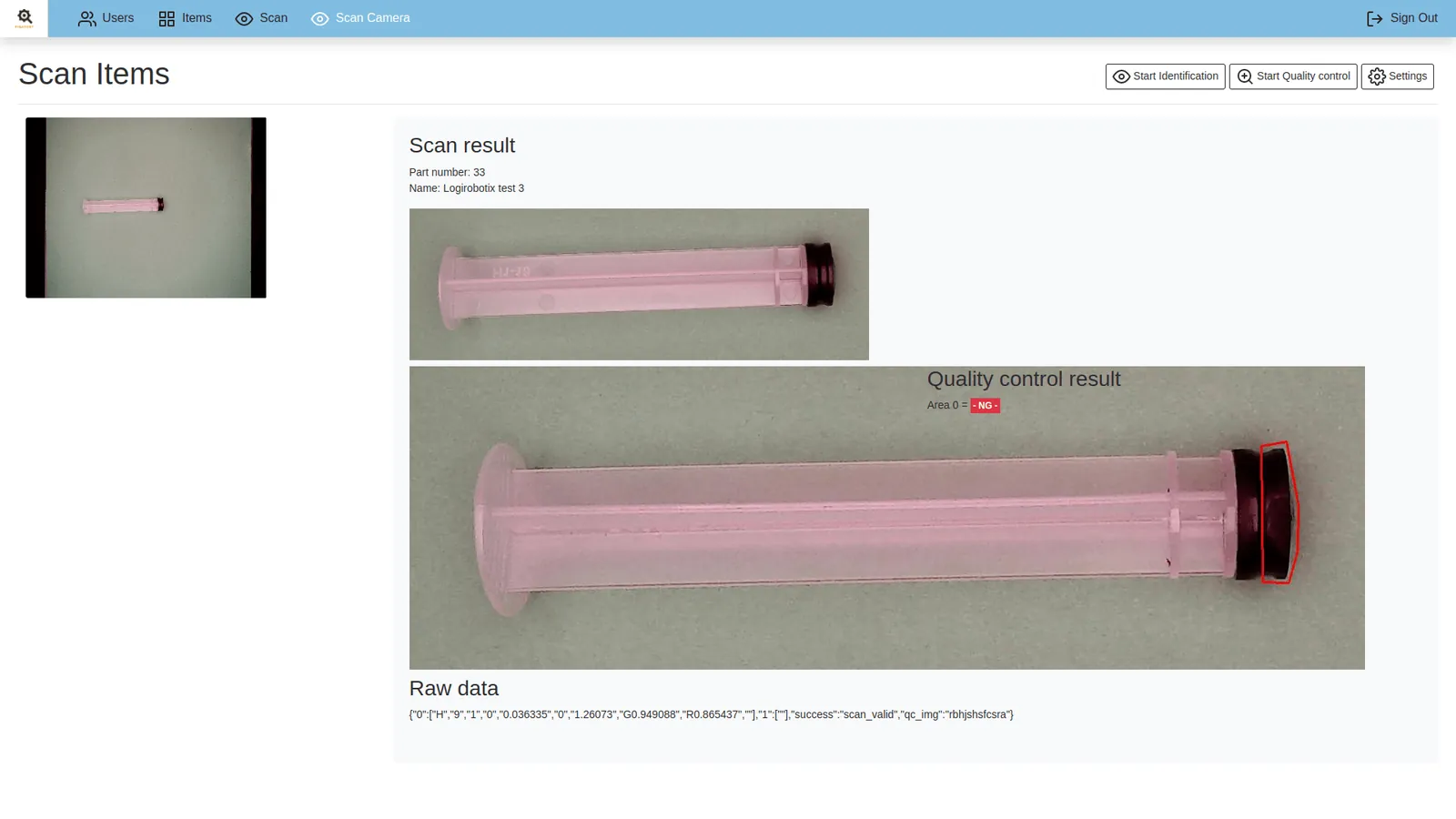
Manual syringe inspection is insufficient. Critical defects are microscopic: micro-cracks in rubber plungers, needle-to-barrel misalignment (±0.1mm), glass shards, contamination. Human eyes cannot detect them at production speed.
AI vision for medical device assembly is the compliance standard. Every syringe, every needle, every connection is 100% inspected in milliseconds. Digital traceability for FDA audit. Zero defective devices reach patients.
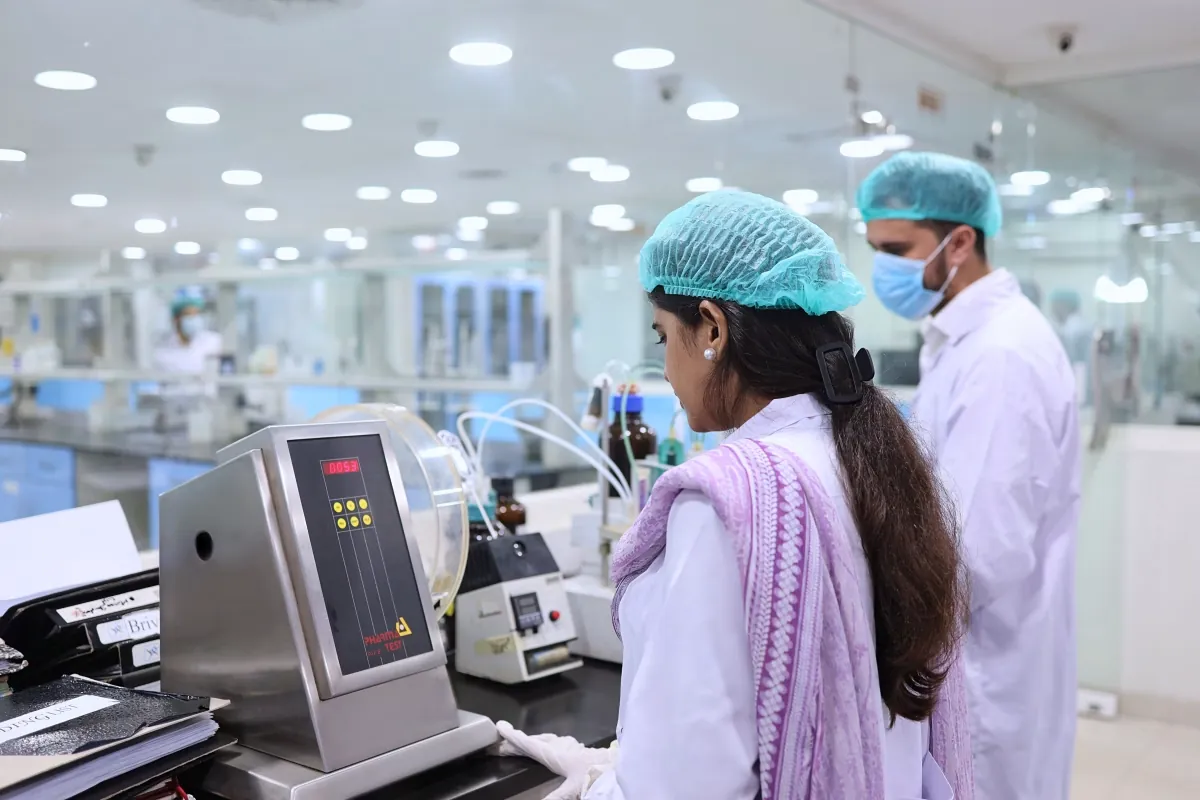
Critical Medical Device Defects & Patient Impact
Defect Types and Clinical Consequences
Needle-to-barrel misalignment: Needle not perfectly centered incorrect penetration angle, tissue trauma, failed injection
Rubber plunger cracks (internal): Invisible to visual inspection, causes drug contamination with rubber particles
Incomplete luer lock sealing: Connection not fully mated pressure loss, drug leakage, sterile field compromise
Particulate matter (glass, rubber): Fragments inside syringe patient adverse reaction, allergic response, embolism risk
Deformed needle tip: Needle not sharp procedure failure, repeated attempts, increased patient pain
Real-World Case: Mid-Tier Syringe Manufacturer
Production: 500,000 syringes/day (1mL, 2mL, 5mL, 10mL with needles). Current QC: Manual inspection (shifts) + 5% random sampling (25,000 pieces inspected).
If 1% of 475,000 uninspected pieces have critical defects:
4,750 defective syringes reach hospitals monthly.
Cost per syringe: $5–20 in claims + logistics + litigation + brand damage.
Impact: $23.7k–95k/month in hidden costs = $284k–1.14M/year.
AI Vision Analysis: What We Detect
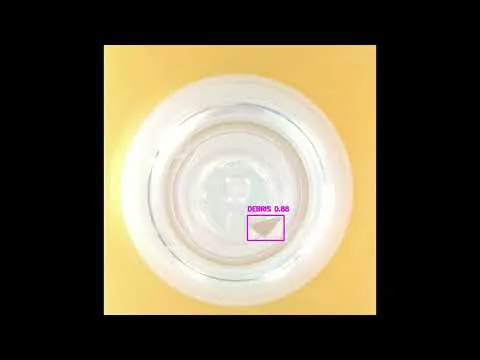
Our system analyzes every medical device on five critical dimensions. The images below show how AI detects defects invisible to the human eye—even at maximum manual inspection speed.
Syringe Analysis: Cracks, seals, misalignment detection
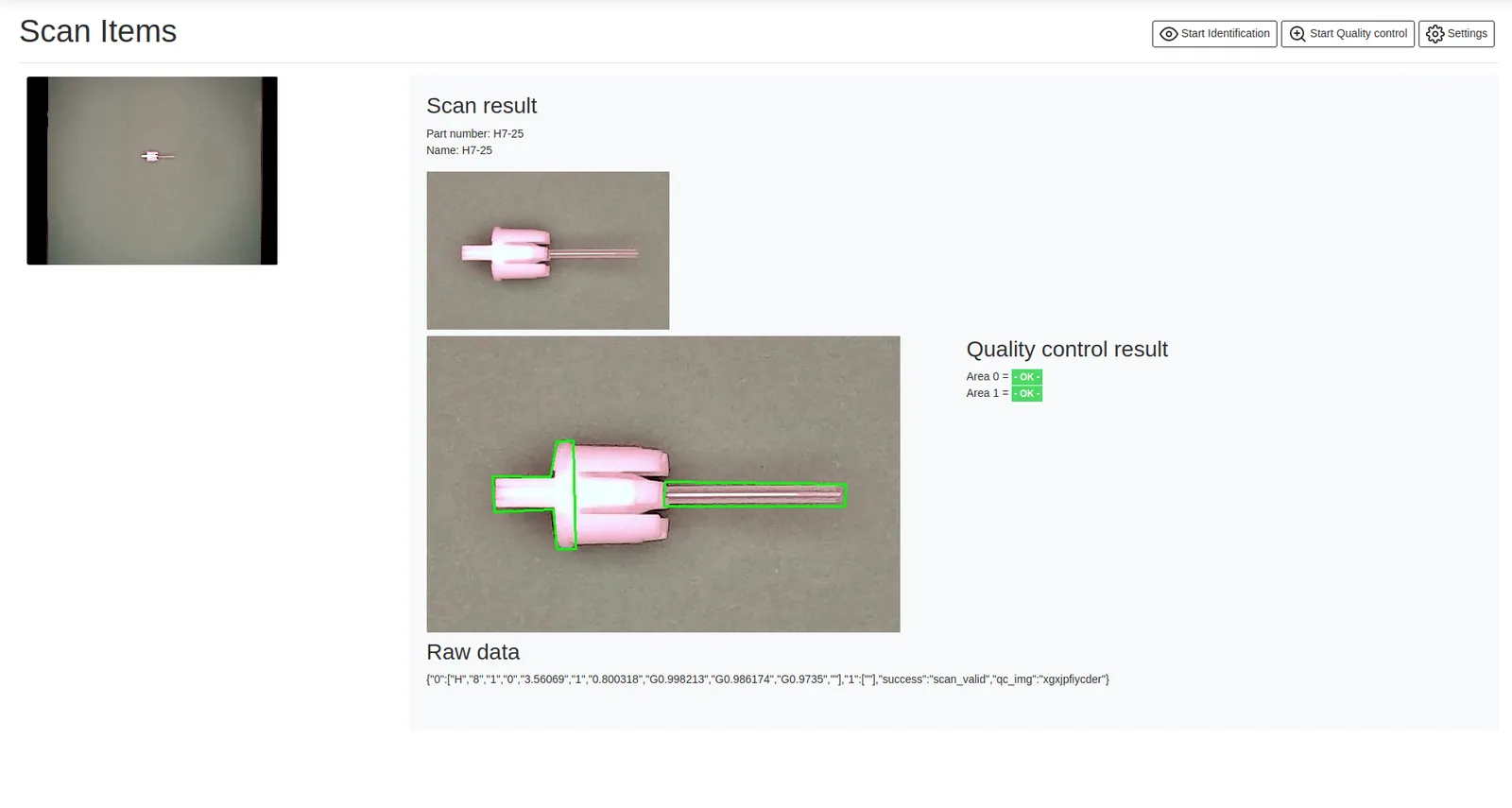
Needle Analysis: Deformation, tip sharpness, alignment, particulates
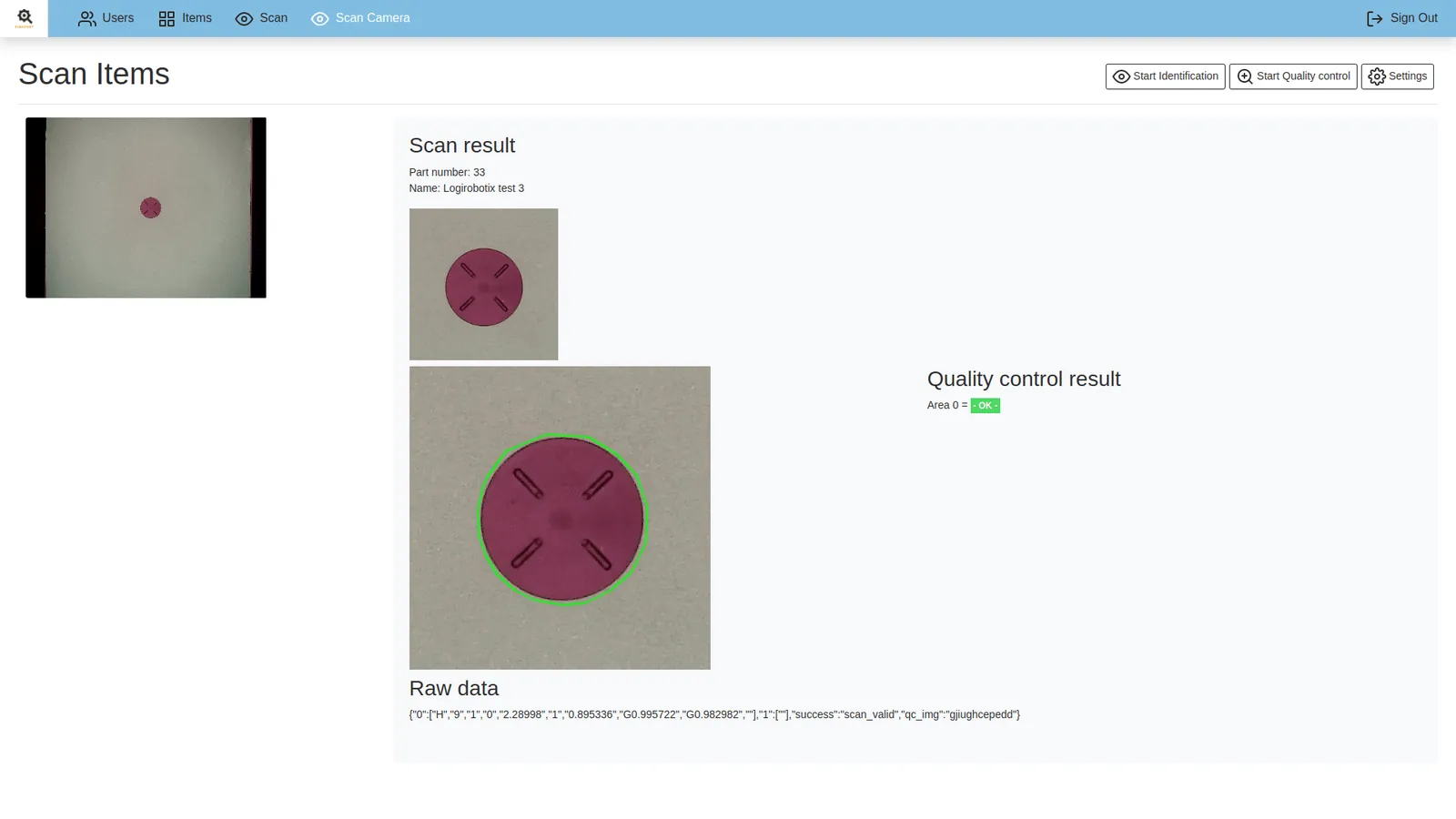
Rubber Components: Plunger, stopper, cracks, contamination detection
The 5 Pillars of Medical Device Quality Control
Pillar 1: Dimensional Micro-Precision
Measure ±0.05mm tolerances: barrel diameter, needle length, penetration depth. Detect deformations from thermal stress or pressure.
Pillar 2: Surface Defect Mapping
Detect cracks, scratches, stains (rust, biological contamination), inclusions in rubber. Multi-spectral imaging reveals defects hidden under coatings.
Pillar 3: Assembly Completeness
Verify needle fully inserted, plunger aligned, seals intact (luer lock, threads, snap-fit). Critical for sterility and functionality.
Pillar 4: Particulate & Contamination
Detect even microscopic particles (glass, rubber, metal). AI learns rare contamination patterns that put patients at risk.
Pillar 5: FDA-Ready Traceability
Every device: photo, timestamp, batch ID, material lot, pass/fail decision, reason. Exportable for FDA audits, 21 CFR Part 11 compliant, GMP ready.
Case Study: European Mid-Tier Syringe Manufacturer
Company: High-Volume Injection Device Producer
Production: 500,000 syringes/day (1mL–10mL with needles, seals, packaging) | Certifications: ISO 13485, FDA approved, GMP certified | Challenge: 1.2% defect rate discovered via hospital feedback (not internal QC)
- 01
Undetected Defects
1.2% 0.08%
- 02
Hospital Complaints/Month
6,000 400
- 03
Inspection Coverage
5% 100%
- 04
ROI Achieved
~2.5 months
6-Month Performance Results
| Metric | Before | After | Impact |
|---|---|---|---|
| Defect Detection Rate | 5% (sampling only) | 100% (every device) | |
| Defects Reaching Hospitals | 1.2% | 0.08% | |
| Hospital Complaints/Month | 6,000 | 400 | |
| Claims Cost/Month | $35k–50k | $2.5k–4k | |
| FDA Investigations/Year | 4–6 (serious) | 0 | |
| GMP Audit Readiness | Ongoing risk | 100% compliant |
Investment & ROI for Medical Device Inspection
Year 1 CAPEX
System Investment
- 01
Specialized Hardware (Multi-Spectral, Macro Optics)
$12k–20k
- 02
AI Software + Medical Device Library
$18k–28k
- 03
MES Integration + FDA Compliance Module
$6k–12k
- 04
Installation, Calibration, Validation (3-5 days)
$4k–8k
- 05
Total Year 1
$40k–68k
Annual Benefits (500k syringes/day manufacturer)
| Benefit | Annual Value |
|---|---|
| Prevention of Hospital Claims (–93%) | $396k–552k |
| Avoid Mass Recall Risk (FDA probability) | $800k–1.2M |
| Scrap Waste Reduction | $145k |
| Brand Reputation Protection | $200k+ |
| GMP/ISO 13485 Audit Compliance Facilitation | $40k |
| Total Conservative Benefit | ~$781k–1.8M+ |
ROI: 2-4 Months
Based on hospital claims prevention + scrap reduction. True value is significantly higher when factoring in FDA recall risk mitigation (potentially catastrophic cost).
FDA & GMP Compliance: What You Need
| Compliance Requirement | FDA Regulation | AI Vision Solution |
|---|---|---|
| Digital Traceability (21 CFR Part 11) | Complete audit trail required | Photo + timestamp + batch + decision logged |
| GMP Section 211.42 | 100% inspection for critical processes | Every device inspected objectively |
| ISO 13485 Quality Control | Validated inspection methodology | Validation report included (IQ/OQ/PQ) |
| Zero Defect Assurance | No defects reach patients | –93% complaint rate (case data) |
| Trend Analysis | Identify non-conformance patterns | Real-time dashboard + automated reporting |
Medical Device Inspection FAQs
Q: Can AI detect internal rubber cracks that are truly invisible?
A: AI vision sees surfaces. For deep internal cracks, we integrate ultrasound or X-ray. Depends on defect criticality and budget. Surface/subsurface cracks: AI handles well.
Q: How long to validate the system for FDA submission?
A: 4-6 weeks. We collect performance data (accuracy, sensitivity, specificity), prepare IQ/OQ/PQ validation reports in FDA-ready format. Turnkey package.
Q: Can I switch between syringe sizes without complete retraining?
A: Geometry change requires new training (7-10 days). System retains all prior profiles—one-click switching between versions.
Q: What’s your false positive rate (good syringe rejected)?
A: Typical: <1% false positives (vs. 8-15% manual). Configurable confidence thresholds. Borderline cases can trigger manual review or re-imaging.
Q: Does it slow down my high-speed production line?
A: No. System inspects at production speed (zero slowdown). For 500+ pieces/minute, we use 1000+ fps hardware.
Q: What post-sale support is included?
A: Year 1: full support (software updates, staff training, on-site assistance). Year 2+: optional subscription (maintenance + remote support) or one-time contract.
Zero Patient Risk
100% syringe, needle, connector inspection with AI. Detect invisible defects, guarantee FDA 21 CFR & GMP compliance, complete digital traceability. ROI 2-4 months.
Test it on your line. Before you spend a euro.
Send us 20 defective parts or high-res photos. We train a model on your parts and show you detection rate, false positives and cycle time before you sign anything.
- parts or photos
- 20
- parts or photos
- days to results
- 5-7
- days to results
- no commitment
- €0
- no commitment
Trusted on production lines at


Related applications
-
 Solution
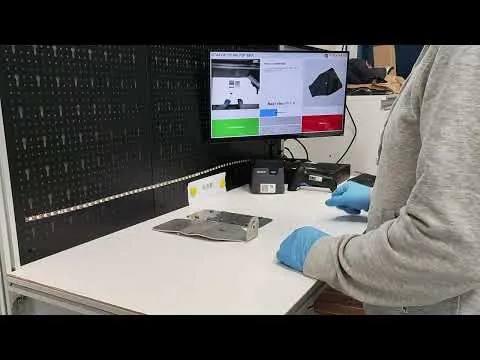
AI Copilot for Assembly — Zero-Error Workstations
Real-time operator guidance. Every assembly step validated. Catch errors before they ship. Train operators in hours, not weeks. 99.9% accuracy.
Read -
 Solution
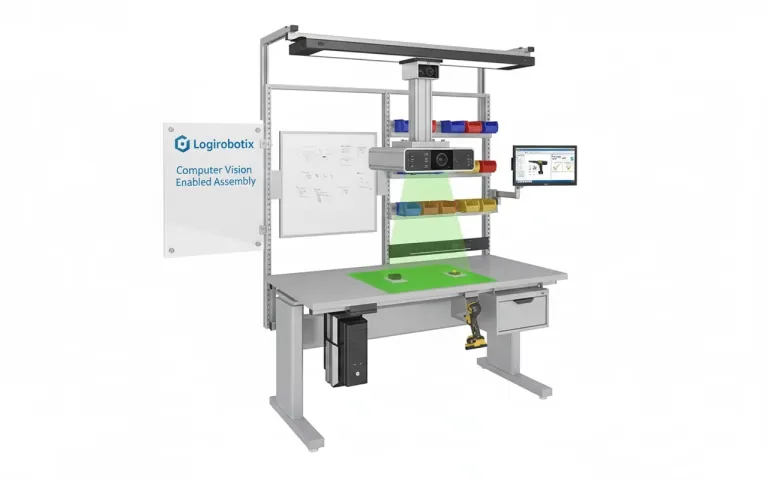
Assembly Guidance: Real-Time Visual Instructions
Guide every assembly step in real-time with AI computer vision. Eliminate errors, accelerate training, ensure consistency. Defect reduction 60-80% in 4 weeks.
Read -
 Solution
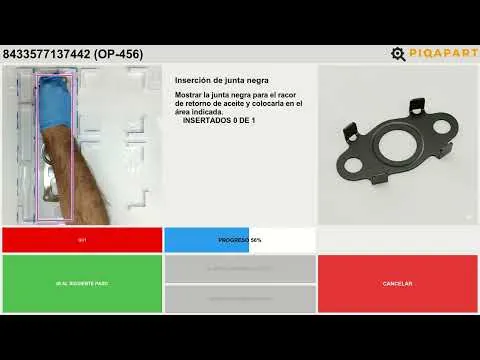
Assembly Guidance & Verification for Ajusa
Real-time AI guidance for assembly operators. Catch errors before they happen. 98% accuracy, 35% faster assembly, zero defects reaching customers.
Read