· 3 min read
Data Science & AI: The new engine of manufacturing.
Data science and autonomous AI are pushing manufacturing beyond traditional automation — creating self-learning production systems that optimise processes, predict failures, and control quality without waiting for human input.

The role of data science in manufacturing
Every machine, sensor, and production system in a modern factory generates data continuously. Data science turns that raw signal into intelligence — identifying patterns, predicting failures, and surfacing inefficiencies that no human operator could spot across thousands of simultaneous data streams.
- 01
Real-time line monitoring
Analysing data from machines, sensors, and production systems continuously — flagging deviations from normal operating conditions the moment they appear.
- 02
Pattern and anomaly detection
Identifying signatures in sensor data that precede malfunctions or quality degradation — weeks before a failure would otherwise be visible.
- 03
Predictive maintenance
Scheduling maintenance interventions based on actual machine condition — not arbitrary time intervals — reducing downtime and emergency repair costs.
- 04
Supply chain and flow optimisation
Using predictive models to optimise inventory, order timing, and production scheduling — reducing lead times and buffer stock costs.
Autonomous AI: beyond traditional automation
Traditional automation executes fixed instructions. Autonomous AI systems make decisions, adapt to changing conditions, and continuously learn — without waiting for human input at each step. In manufacturing this means production lines that self-correct, self-optimise, and self-report in real time.
Autonomous process management — adjusting machine parameters in real time without human supervision
Human-AI collaboration — working alongside operators to maximise efficiency and quality
Adaptive response — reacting to demand fluctuations or unexpected faults without delay
Continuous learning — improving from production data over time, not just at deployment
Six applications in manufacturing today
These are not future concepts — they are production-ready deployments running in manufacturing facilities now.
- Real-time process optimisation AI systems monitor production lines by analysing sensor data, machine performance, and environmental conditions simultaneously. They autonomously adjust machine parameters — speed, temperature, pressure — to optimise throughput and reduce waste without human intervention. The result: higher yields and less downtime from the same physical assets.
- 1
- Real-time process optimisation AI systems monitor production lines by analysing sensor data, machine performance, and environmental conditions simultaneously. They autonomously adjust machine parameters — speed, temperature, pressure — to optimise throughput and reduce waste without human intervention. The result: higher yields and less downtime from the same physical assets.
- Predictive maintenance and fault detection Data science models trained on historical machine data identify the early signatures of equipment degradation. AI then autonomously schedules maintenance interventions — before failures occur. This eliminates unplanned downtime, reduces emergency repair costs, and extends the operating life of capital equipment.
- 2
- Predictive maintenance and fault detection Data science models trained on historical machine data identify the early signatures of equipment degradation. AI then autonomously schedules maintenance interventions — before failures occur. This eliminates unplanned downtime, reduces emergency repair costs, and extends the operating life of capital equipment.
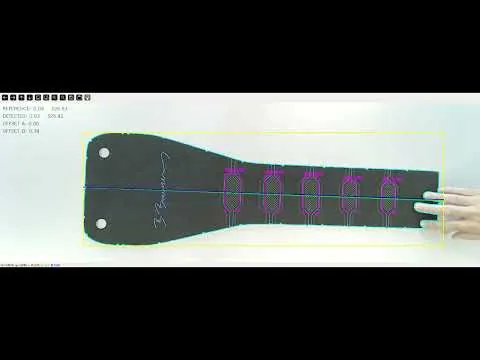
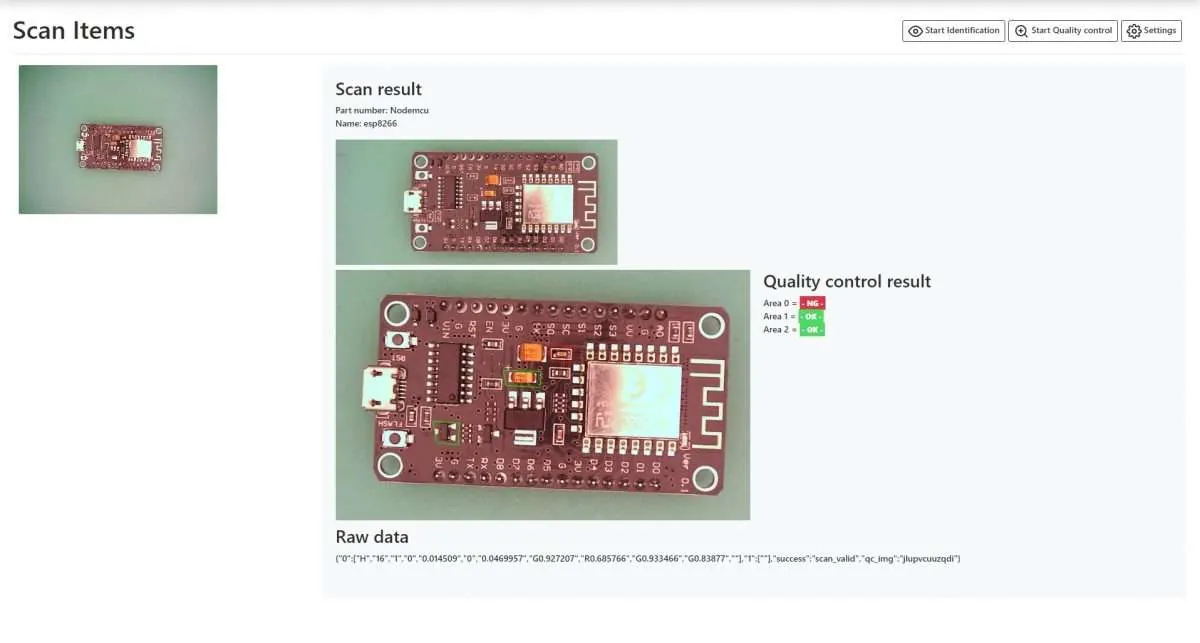
- Autonomous quality control High-resolution cameras feed data into AI vision systems that inspect products for defects in real time. The AI classifies defects, triggers rejection or rework, and adjusts upstream process parameters to prevent recurring issues — all without human input. The output is consistent product quality at production speed.
- 3
- Autonomous quality control High-resolution cameras feed data into AI vision systems that inspect products for defects in real time. The AI classifies defects, triggers rejection or rework, and adjusts upstream process parameters to prevent recurring issues — all without human input. The output is consistent product quality at production speed.
- Adaptive supply chain management AI systems analyse demand forecasts, supplier performance, inventory levels, and logistics data to dynamically adjust ordering, stocking, and delivery scheduling. These autonomous decisions optimise cost and reduce lead times — even amid market volatility or supply disruptions.
- 4
- Adaptive supply chain management AI systems analyse demand forecasts, supplier performance, inventory levels, and logistics data to dynamically adjust ordering, stocking, and delivery scheduling. These autonomous decisions optimise cost and reduce lead times — even amid market volatility or supply disruptions.
- Collaborative robotics (cobots) AI enables cobots to safely work alongside human operators — sensing their presence, predicting human actions, and adapting robot behaviour accordingly. This increases production flexibility, improves ergonomics, and boosts overall line efficiency without the need for physical safety barriers.
- 5
- Collaborative robotics (cobots) AI enables cobots to safely work alongside human operators — sensing their presence, predicting human actions, and adapting robot behaviour accordingly. This increases production flexibility, improves ergonomics, and boosts overall line efficiency without the need for physical safety barriers.
- Energy consumption optimisation Data science monitors energy usage patterns across manufacturing facilities. AI autonomously adjusts equipment and facility operations — scheduling high-energy processes during off-peak hours, reducing idle consumption — without compromising productivity or product quality.
- 6
- Energy consumption optimisation Data science monitors energy usage patterns across manufacturing facilities. AI autonomously adjusts equipment and facility operations — scheduling high-energy processes during off-peak hours, reducing idle consumption — without compromising productivity or product quality.
Concrete benefits for manufacturers
Increased productivity through automatic line optimisation without headcount increases
Reduced operational costs via predictive maintenance and smart resource management
Improved quality with continuous, adaptive inspection and process control
Greater flexibility and resilience to market changes or unexpected technical issues
- 01
Key capabilities
Process optimisation Real-time Predictive maintenance Autonomous Quality control 100% inline Energy saving Automated Human supervision Optional Learning Continuous
- 02
Explore solutions
AI quality control AI Copilot for assembly Custom AI services Pricing plans
Related reading
Case studies and guides from our engineering team.
Case Study · Electronics Computer Vision for Micro Components & PCBs Read more
Case Study · Smart City Computer Vision for Smart Cities Read more
Guide · Robotics
Robotics and Vision: Intelligent Automation
Read more