· 2 min read
Computer Vision & Injection Molding Quality Control
Injection molding produces complex plastic parts at high speed — but maintaining consistent quality across every cycle is a real challenge. AI computer vision automates inline inspection, catching defects the moment they appear, before they reach the next stage.
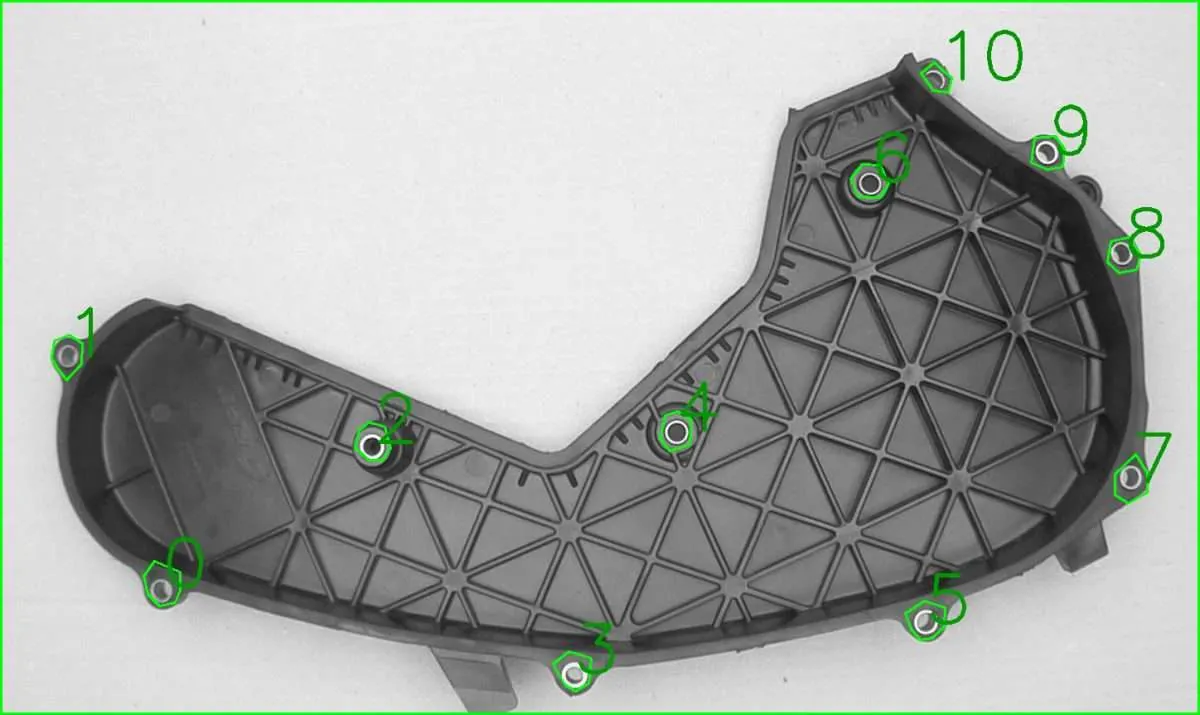
Why computer vision for injection molding?
Injection molding runs at high cycle rates — manual inspection simply cannot keep up without creating bottlenecks or accepting unacceptable error rates. Defects like short shots, flash, sink marks, and warping are costly to catch downstream and catastrophic to miss entirely. AI vision provides 100% inline inspection at production speed with zero subjectivity.
- 01
Detect defects early
Identify surface flaws — short shots, flash, sink marks, warping, and contamination — before parts move down the line.
- 02
Dimensional accuracy
Measure critical dimensions and tolerances automatically on every part — maintaining consistency across the full production run.
- 03
Process feedback
Real-time inspection data fed back to the molding machine — enabling immediate process adjustments that reduce scrap rates.
- 04
No throughput impact
Inspection completes in under 0.5 seconds — matching the cycle time of high-speed molding machines without creating bottlenecks.
Key applications
AI vision can cover multiple inspection points simultaneously on the same injection molding line.
Surface defect detection — scratches, bubbles, flow marks, and discolouration on molded parts
Dimensional verification — automated measurement of length, width, thickness, and critical features
Assembly verification — confirming correct placement and orientation of insert-molded components
Colour and texture inspection — verifying colour consistency and surface texture quality across batches
Part identification — reading markings, codes, and serial numbers for traceability and compliance
Flash and short shot detection — catching the most common molding defects that manual inspection regularly misses
Technologies used
High-speed cameras paired with optimised lighting setups for clear, consistent imaging at production speed.
3D vision systems for volumetric and shape analysis — detecting warping, sink marks, and dimensional deviations.
Machine learning algorithms trained on your specific defect types — improving accuracy continuously over time.
MES and PLC integration — inspection results fed directly into your manufacturing execution system for traceability and process control.
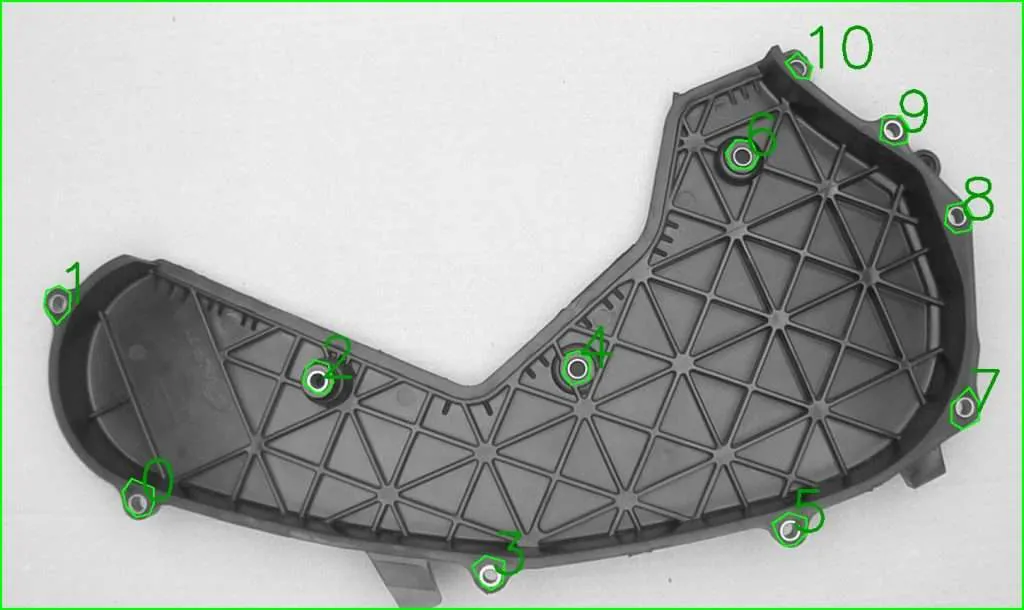
AI vision system inspecting injection-molded plastic parts for flash, short shots, and surface irregularities in real time on a high-speed production line.
Results for injection molding manufacturers
Manufacturers deploying AI vision on injection molding lines consistently report improvements across five dimensions:
Enhanced product quality with significantly reduced defect rates reaching customers
Faster production cycles — inline inspection adds zero seconds to cycle time
Lower costs through minimised scrap, rework, and downstream warranty claims
Improved compliance — full digital audit trail for automotive and industrial standards
Real-time process optimisation — feedback loop reducing parameter drift before defects appear
Scalable — same platform adapts to new molds, materials, and product variants without hardware changes
- 01
Key metrics
Inspection speed <0.5s Tolerance ±0.1mm Throughput impact Zero Consistency 100% Deployment time 1 day MES integration Included
- 02
Defects detected
Flash Short shots Sink marks Warping Flow marks Contamination
- 03
Explore more
Related case studies
More real-world AI vision deployments.
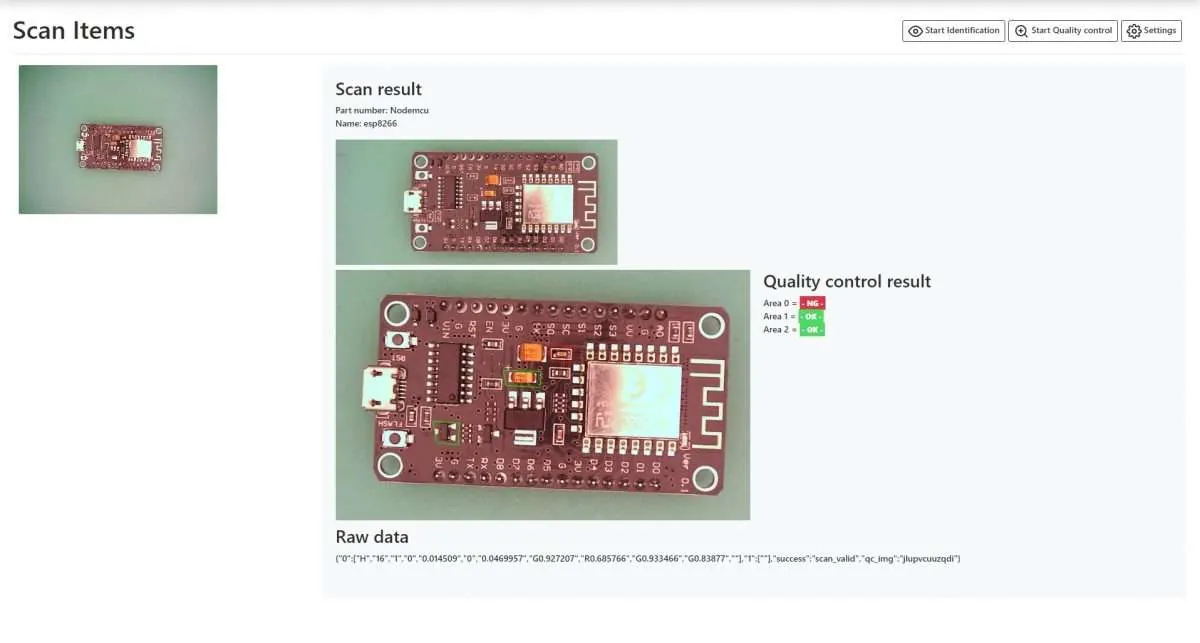
Case Study · Electronics Computer Vision for Micro Components & PCBs Read more

Case Study · Food AI Computer Vision for Cashew Quality Control Read more
Case Study · Smart City Computer Vision for Smart Cities Read more