· 2 min read
AI Vision for Product & Object Counting.
AI computer vision systems can count products, components, and objects in real time with precision that manual methods cannot match — at production speed, with zero sampling, and integrated directly into your existing line.
How AI counting works
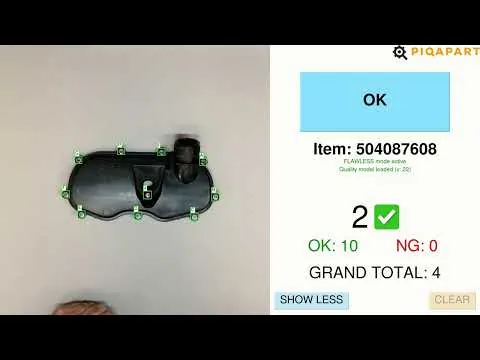
AI-based counting systems use high-resolution cameras and deep learning algorithms to detect, classify, and count objects in real time. Unlike manual counting or weight-based methods, computer vision counts each individual item — detecting missing parts, extra components, or wrong variants instantly.
- 01
Detection and classification
Identifies and distinguishes individual objects even in complex environments — crowded trays, mixed batches, overlapping components — with high accuracy.
- 02
Position and movement tracking
Tracks each object through its position and movement — enabling counting on moving conveyors, in bins, or across multiple camera zones.
- 03
Completeness verification
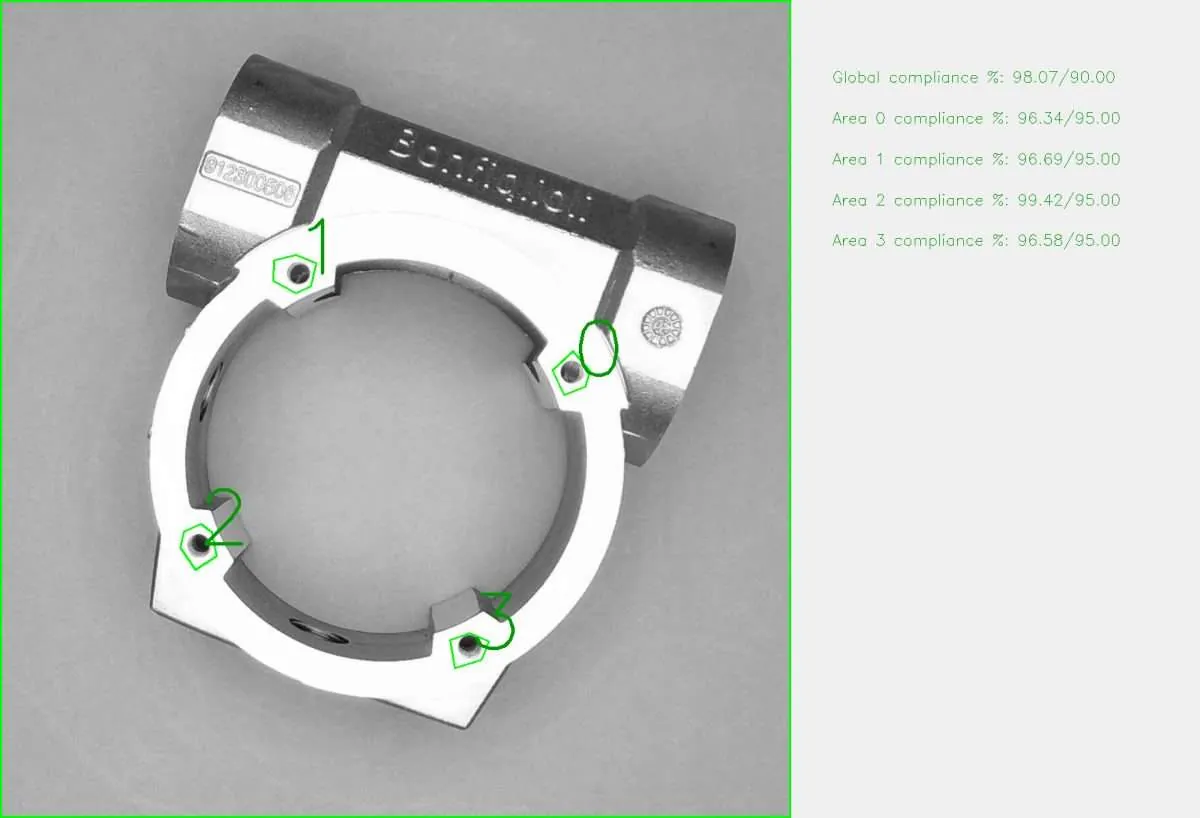
Verifies that kits, packages, or assemblies contain the exact required number and type of components — zero missing parts reach the customer.
- 04
Edge or cloud processing
Processing happens on-device (edge) for sub-second latency on production lines, or in cloud for analytics, reporting, and multi-site aggregation.
Applications across industries
- 01
Production lines
Automatic product counting keeps production tracked in real time — detecting shortfalls, overproduction, and quality issues before they reach packaging.
- 02
Kit & packaging verification
Verifies every kit contains the correct number of each component before sealing — replacing weight-based methods with visual confirmation of each part.
- 03
Retail & public spaces
People counting for footfall analysis, queue management, capacity monitoring, and staff optimisation — fully anonymised and GDPR-compliant.
- 04
Warehousing & logistics
Tracks goods movement and inventory counts — reducing discrepancies, speeding up picking, and providing real-time stock visibility without manual scanning.
Why AI counting outperforms manual methods
100% inspection — every unit counted, not a statistical sample
Real-time data — production counts visible instantly, not end-of-shift
Zero operator subjectivity — same result regardless of who is working
ERP/MES integration — counts feed directly into production management systems
Scalable — one system covers multiple SKUs and product variants
Traceability — full digital log of every count for audit and compliance
Implementation considerations
- 01
Privacy (for people counting)
People counting systems must comply with GDPR — using anonymisation, aggregated data only, and appropriate consent mechanisms where required.
- 02
Environmental conditions
Lighting, camera angles, and physical obstacles can affect performance. Modern deep learning models are robust to these variations — proper installation planning mitigates them.
- 03
IT infrastructure
Network capacity, storage, and compute requirements should be assessed before deployment. Edge processing reduces infrastructure demands significantly for production-line use cases.
- 01
System capabilities
Inspection 100% Inspection time <0.5s Tolerance ±0.1mm Processing Edge / Cloud Integration ERP / MES Deploy time 1 day
- 02
Related guides
Related reading
More guides on AI vision and quality control.
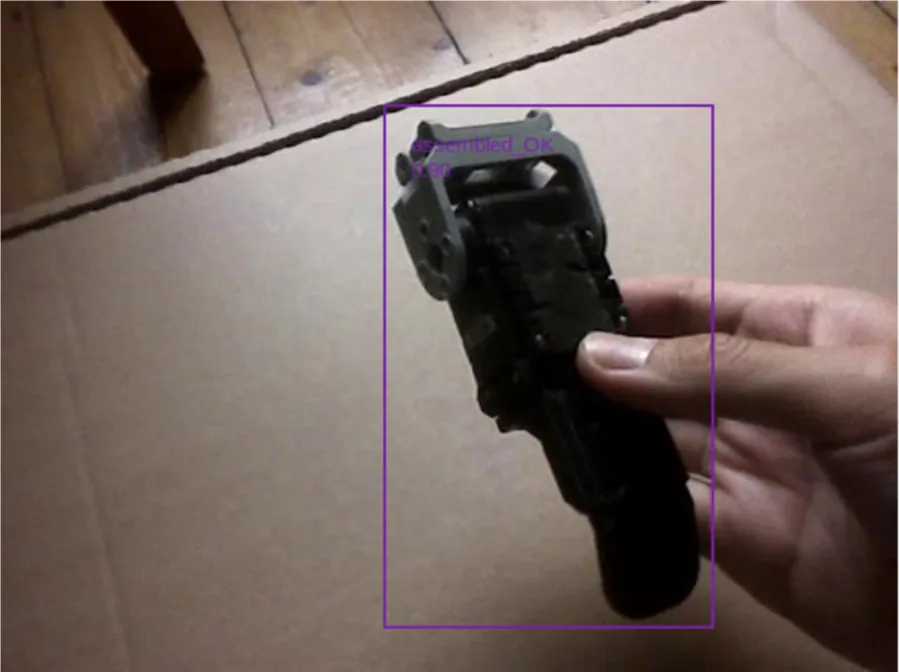
Guide · Assembly Vision Systems for Manual Assembly Quality Control Read more
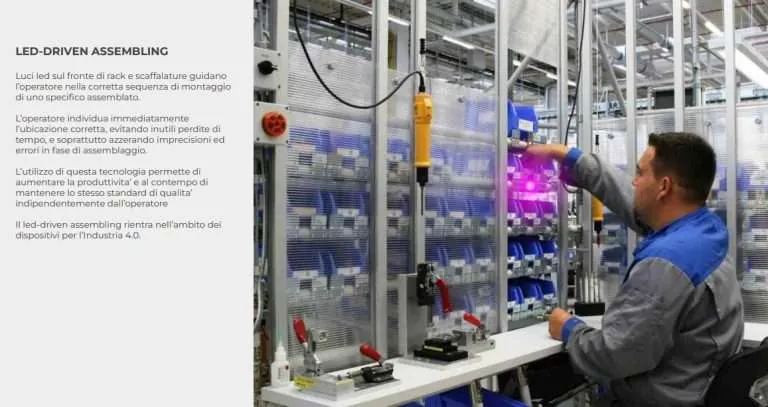
Guide · Logistics Pick to Light + Vision + AI: Smarter Warehouses Read more
Solution · QC AI Quality Control: All Capabilities Explore