Cobot Vision System: How AI-Powered Robot Vision Transforms Manufacturing
Discover how collaborative robots with integrated vision systems see, inspect, and handle complex manufacturing tasks. From quality control to autonomous pick-and-place, vision-enabled cobots are revolutionizing smart factories.
- 2D & 3D Vision
- AI-Powered Detection
- Industry 4.0 Ready
- Easy Integration
What is a Cobot Vision System?
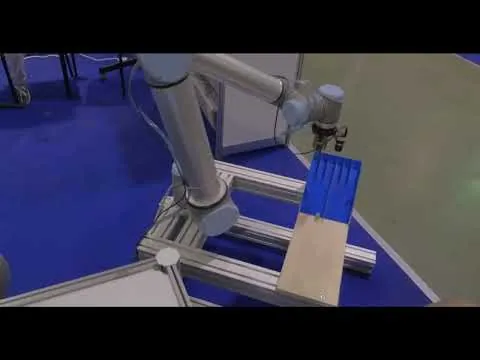
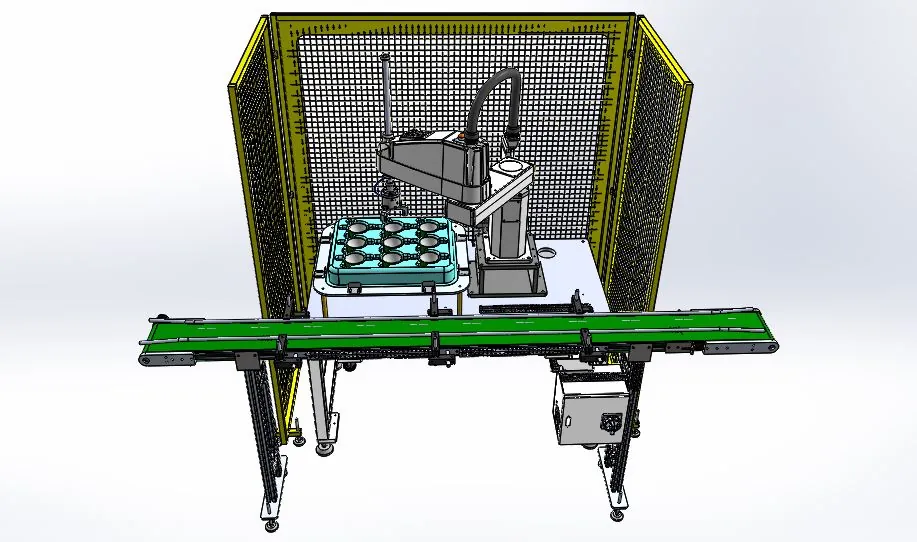
A cobot vision system is an AI-powered computer vision solution integrated with collaborative robots (cobots) that enables machines to “see,” interpret, and act on visual information in real-time. These systems combine cameras (2D or 3D), AI algorithms, and robot control software to perform tasks with precision and autonomy.
Unlike traditional industrial robots that require structured environments and pre-programmed locations, vision-enabled cobots can:
- Identify and locate objects in unstructured settings
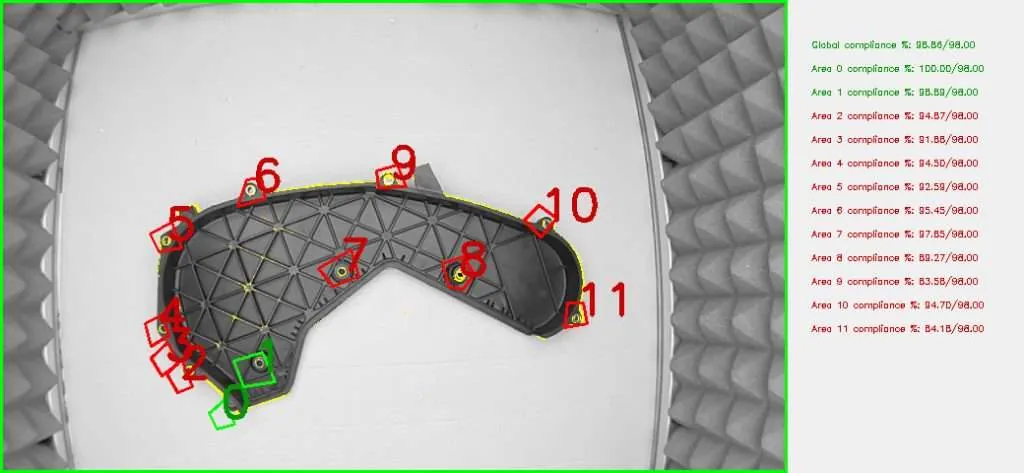
- Detect defects and anomalies on products
- Read barcodes, QR codes, and printed text
- Perform quality inspection at human-level accuracy
- Adapt to product variations automatically
- Integrate seamlessly with existing production systems
Vision systems transform cobots from simple programmed machines into intelligent collaborators capable of real-time decision-making.
See It in Action: Logirobotix Cobot Vision Demo
Watch how a collaborative robot with Logirobotix AI vision performs real-time quality inspection and autonomous decision-making:
Logirobotix Cobot Vision System - AI Quality Control Video Overview: Real-time AI defect detection on production line. Sub-50ms decision cycle. 99%+ accuracy without retraining.
How Cobot Vision Systems Work: Architecture & Integration
Logirobotix: Real-Time Cobot Vision in Action
The video above demonstrates Logirobotix’s AI vision technology integrated with a collaborative robot. Here’s what makes this system production-ready:
- Sub-50ms Decision Cycle: AI processes images and communicates results to cobot before next product arrives
- 99%+ Accuracy: Detects defects, dimensional deviations, missing components, and surface anomalies
- No Retraining Required: AI adapts automatically to lighting changes, product variations, and wear
- Edge Processing: All decision-making happens locally on device—no cloud dependency, no latency
- Production Logging: Every inspection result timestamped and linked to product batch for full traceability
- Easy Integration: API and webhook support for MES/ERP connectivity and real-time quality dashboards
The Vision Pipeline
A typical cobot vision system operates through this workflow:
- Image Capture: Camera mounted on cobot end-effector or fixed in workspace captures real-time video feed
- AI Processing: Neural networks analyze images to detect objects, defects, patterns, or text in milliseconds
- Decision Making: System determines object location, orientation, quality status, or required action
- Robot Action: Cobot executes task (pick, place, inspect, reject) based on vision output
- Data Logging: Every decision is recorded for compliance, training, and continuous improvement
Key Components
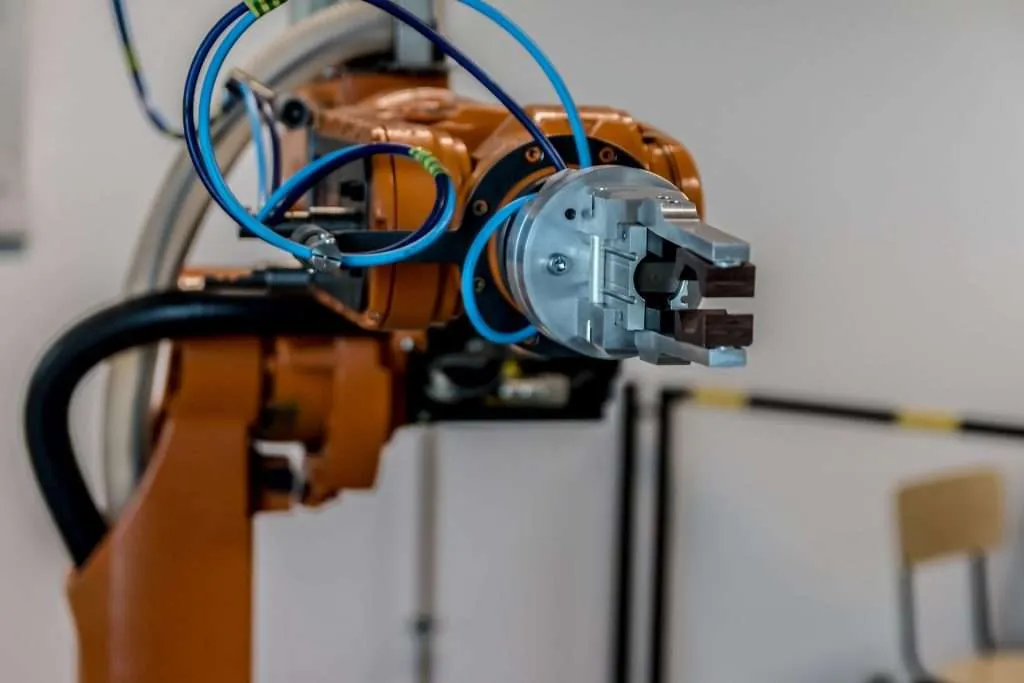
- Cameras: 2D area cameras for pattern recognition, or 3D depth cameras for object pose estimation
- Lighting: Structured lighting or ring lights for consistent, high-contrast images
- AI Software: Deep learning models trained on domain-specific data (defects, objects, assemblies)
- Real-Time Processing: Edge computing or cloud integration for sub-100ms decision cycles
- Robot Control Interface: API or proprietary protocol for vision-to-motion communication
2D vs 3D Cobot Vision: Which to Choose?
| Capability | 2D Vision | 3D Vision |
|---|---|---|
| Cost | €2,000–€8,000 | €5,000–€25,000 |
| Detects Length & Width | Yes | Yes |
| Detects Height/Depth | No | Yes |
| Best For | Pattern matching, text/barcode reading, flat surface inspection | Object picking, bin picking, 3D measurement, complex shapes |
| Setup Time | <2 hours | 2–4 hours |
| AI Training Data | 50–100 images | 200–500 3D scans |
| Processing Speed | 20–100 objects/min | 5–30 objects/min |
Rule of thumb: Use 2D for structured, flat-surface tasks. Use 3D when objects have height variation or complex 3D geometry.
- 01
Quality Control Inspection
Challenge: Manual visual inspection misses 5–10% of defects; labor-intensive and slow. Solution: Doosan or UR cobot with Cognex AI vision camera inspects ACB sub-assemblies for dimensional deviations, surface defects, missing components. Results:
- Defect detection: 5% miss rate 0.5% (99.5% accuracy)
- Inspection speed: 40 parts/hour 150 parts/hour
- Labor savings: 1 FTE Reallocated to higher-value work
- ROI: 6–9 months
- 02
Autonomous Pick & Place (Bin Picking)
Challenge: Objects arrive randomly in bins/boxes; traditional robots need structured feeding. Solution: UR cobot with 3D vision (Pickit 3D or IFM O3M) scans bin, identifies object poses, and autonomously picks parts without human intervention. Results:
- No structured feeding required
- Handles up to 50+ object types with single system
- Throughput: 30–60 parts/hour (vs. 15–20 manual)
- Payback period: 12–18 months
- 03
Assembly Verification & Guidance
Challenge: Complex manual assemblies prone to errors; operators need real-time guidance. Solution: Cobot with 2D vision displays step-by-step assembly instructions, verifies component placement, and rejects non-compliant assemblies. Results:
- Assembly error rate: 3–5% <0.5%
- New operator ramp-up: 5 days 2 days
- Consistency: Eliminates human variability
- Training time reduction: 60%
- 04
Barcode/QR Code Reading & Routing
Challenge: Products need sorting/routing based on label information; manual scanning is bottleneck. Solution: Cobot with 2D vision reads labels at 500+ items/hour, communicates with MES, and directs parts to correct destination. Results:
- Read accuracy: 99.8% (vs. 95% manual scanner reliability)
- Throughput: 500+ items/hour
- Zero human bottleneck
- Seamless MES integration
Key Benefits of Cobot Vision Systems
- 01
AI Continuous Learning
Models improve automatically as more data is collected. System adapts to lighting changes, product variations, and environmental factors without manual retraining.
- 02
Fast Deployment
Most systems install and begin operation in 2–4 hours. No complex engineering projects or extended downtime required.
- 03
Real-Time Data
Every decision logged with timestamps and images. Full audit trail for compliance, quality trending, and continuous improvement.
- 04
Flexible Scaling
Add vision to additional lines by replicating software + camera setup. No hardware redesign or major reconfiguration needed.
- 05
Human-Cobot Collaboration
Cobots with vision enhance human operators with precision, speed, and data insights while maintaining safe collaborative work environments.
- 06
Lower TCO
Complete cobot vision system (hardware + software) typically costs 30–50% less than traditional industrial automation solutions.
Top Cobot Vision Platforms & Vendors
| Platform | Robot Compatibility | Vision Type | Key Strength |
|---|---|---|---|
| Cognex In-Sight | Universal Robots, Doosan, ABB | 2D + AI | Industrial-grade defect detection; trusted by automotive OEMs |
| Pickit 3D | Universal Robots, Doosan, Stäubli | 3D | Autonomous bin picking; unstructured environments |
| IFM O3M | Universal Robots, ABB, KUKA | 3D | Compact, affordable 3D sensing; fast processing |
| SICK TIM781S | Most collaborative arms | 2D + Structured Light | Robust industrial reliability; long product lifecycle |
| Logirobotix PIQAPART | Universal Robots, Doosan, custom | 2D AI + Edge Processing | Sub-50ms decisions; 99%+ accuracy; no retraining needed. See live demo in video above. |
Cobot Vision Integration: Implementation Roadmap
Phase 1: Assessment (Week 1–2)
- Identify cobot application: inspection, pick-and-place, assembly, routing
- Define success metrics: accuracy, throughput, cost savings
- Collect sample images/videos of objects/defects to be detected
- Evaluate vendor platforms and request POC pricing
Phase 2: Proof of Concept (Week 2–4)
- Vendor deploys camera and software on your cobot
- Train AI model on your actual production images (50–200 samples)
- Test detection accuracy on live production
- Measure throughput, false positive/negative rates
- Validate ROI assumptions
Phase 3: Pilot Deployment (Month 1–2)
- Purchase cobot vision system (cameras + software license)
- Install on one production line
- Train operators and integrate with MES/ERP
- Establish monitoring dashboards and alert rules
- Begin data collection for continuous improvement
Phase 4: Scale (Month 3+)
- Replicate vision system to additional lines (fastest growth phase)
- Expand to new product families as data accumulates
- Optimize AI models using production data
- Integrate advanced features (predictive maintenance, OEE tracking)
- Establish continuous learning feedback loop
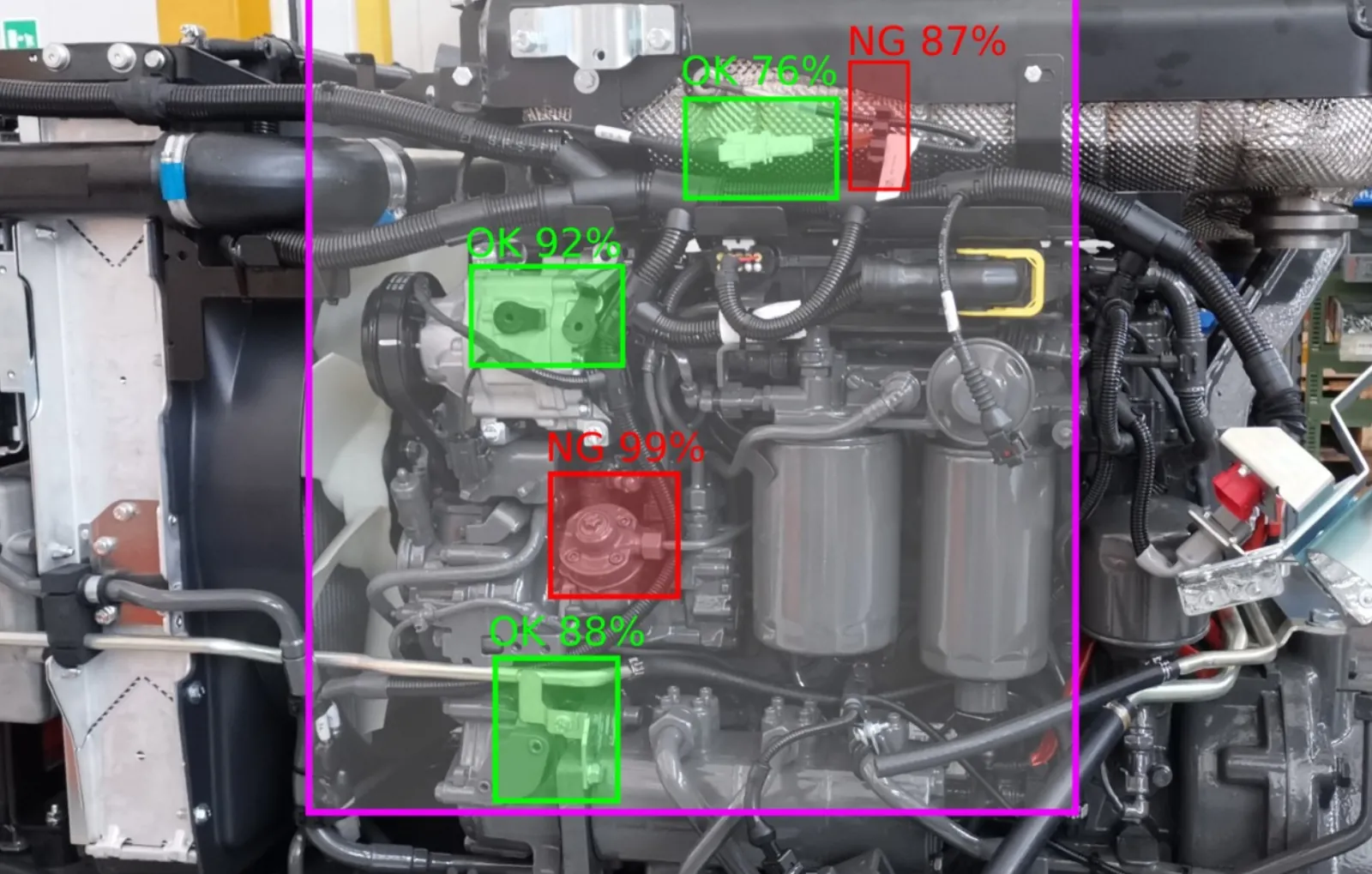
The Bottom Line: Cobot Vision is Industry 4.0
Cobot vision systems represent the convergence of three transformative technologies: collaborative robotics, artificial intelligence, and real-time data systems. They enable manufacturers to:
- Eliminate structured setup – Robots adapt to unstructured environments
- Achieve human-level quality – Vision systems detect defects that human inspectors miss
- Scale rapidly – Deploy to new lines in hours, not weeks
- Reduce labor costs – Reallocate workers to higher-value activities
- Improve data visibility – Every production decision is logged and traceable
- Future-proof operations – AI continuously learns and improves
The factories that thrive in 2026 and beyond won’t compete on labor cost—they’ll compete on intelligence. Cobot vision systems are the foundation of that intelligence.
Starting Solution
€549
per month, cancel anytime
2D AI vision system for cobots. Unlimited AI training, real-time detection, edge processing, cloud dashboard, API access, and 24/7 support included. Scale to multiple robots as needed.
Ready to Add Vision to Your Cobot?
Start with a free proof of concept. We’ll mount a vision system on your cobot, train it on your actual production tasks, and show you real detection accuracy and ROI before you commit to anything.
- parts or photos
- 20
- parts or photos
- days to results
- 5-7
- days to results
- no commitment
- €0
- no commitment
Trusted on production lines at



Related applications
-
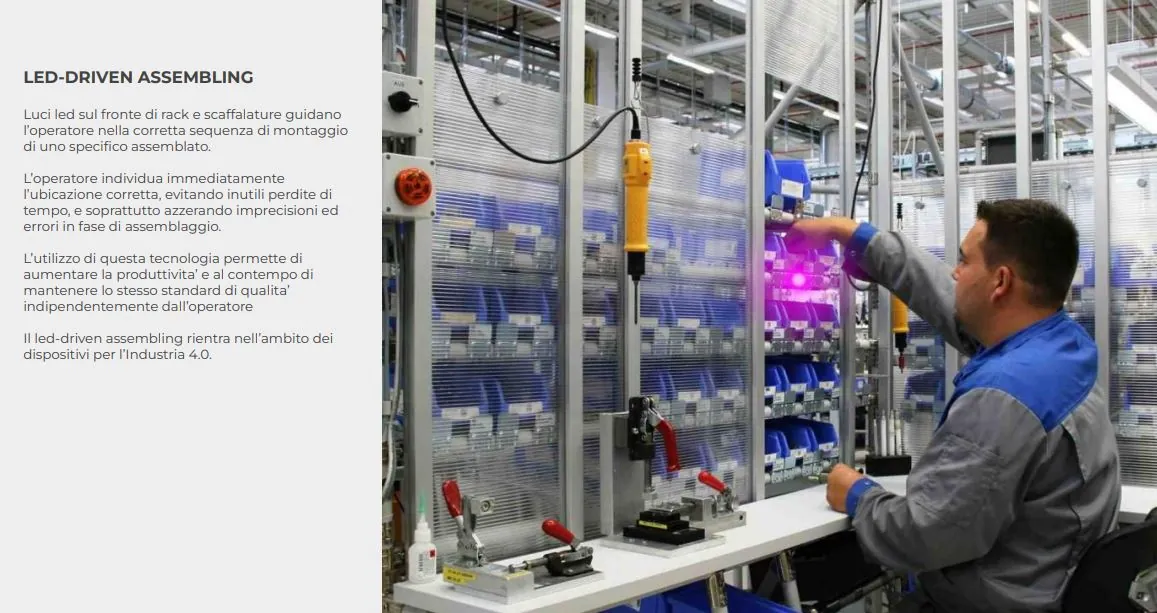 Article
Vision Systems & Pick-to-Light: Smarter Warehouse Operations.
AI-powered vision systems combined with pick-to-light technology are transforming warehouse operations — eliminating picking errors, accelerating order preparation, and…
Read -
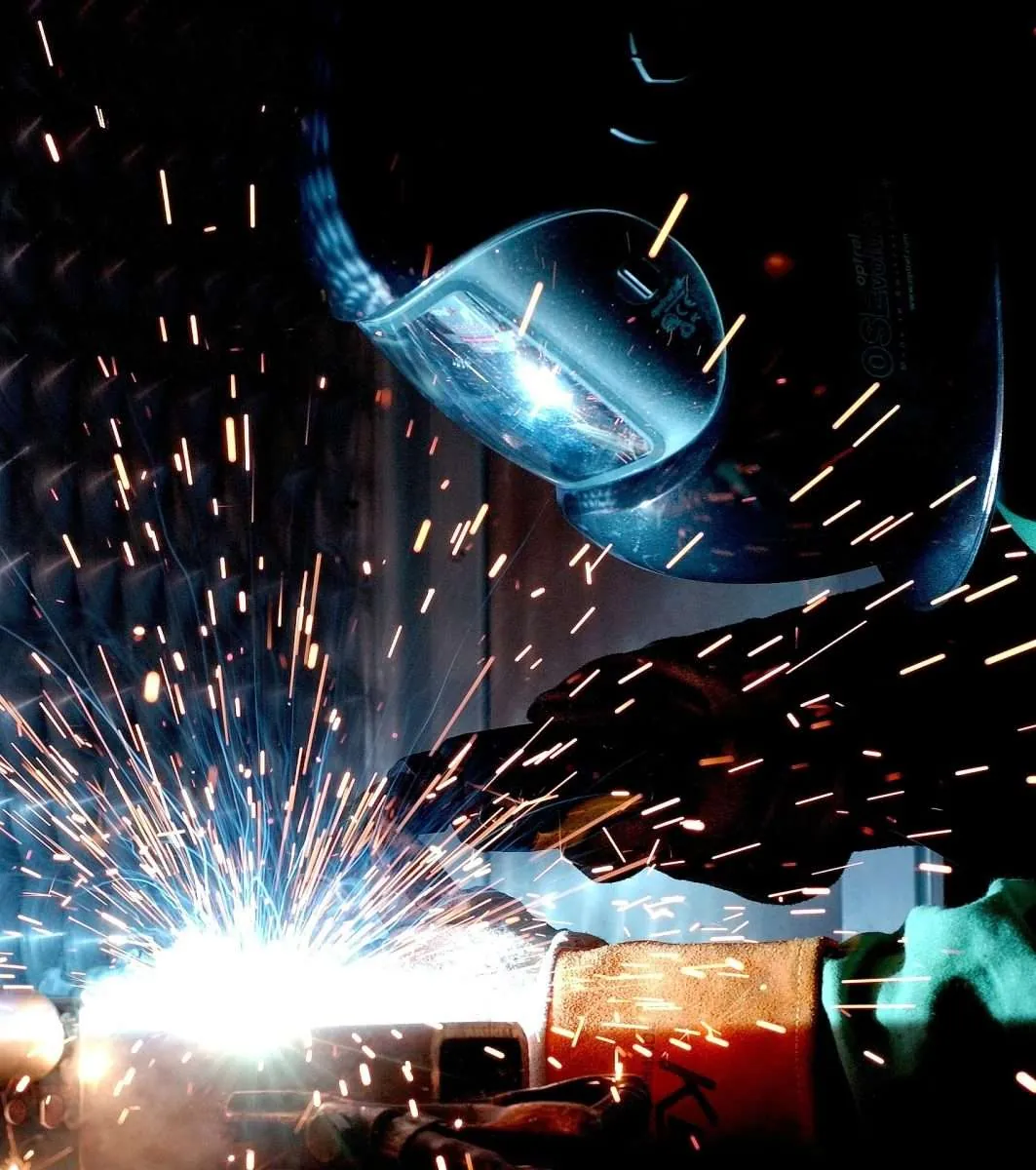 Article
Vision Systems for Photovoltaic Panel Inspection.
As solar adoption accelerates, maintaining PV panel quality and performance is critical. Micro-cracks, soiling, and manufacturing inconsistencies reduce efficiency and…
Read -
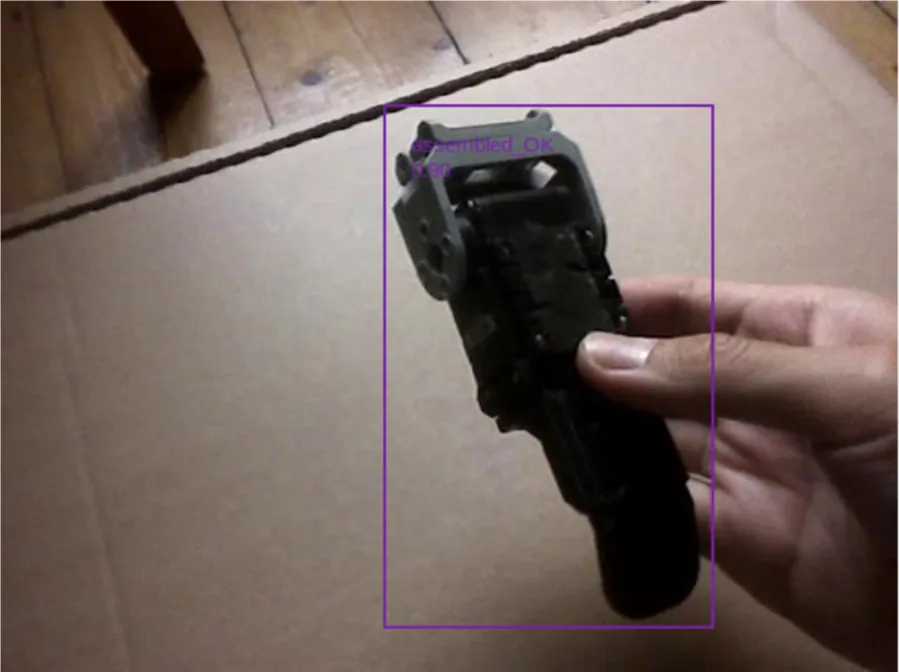 Solution
Robot Cybersecurity & Machine Vision: Protecting AI-Powered QC
As AI-powered quality control systems move onto factory floors, they’ve become targets. Hackers can poison models, intercept defect data, or trigger false rejects that…
Read