· 2 min read
Computer Vision for Wood Inspection: Quality & Efficiency.
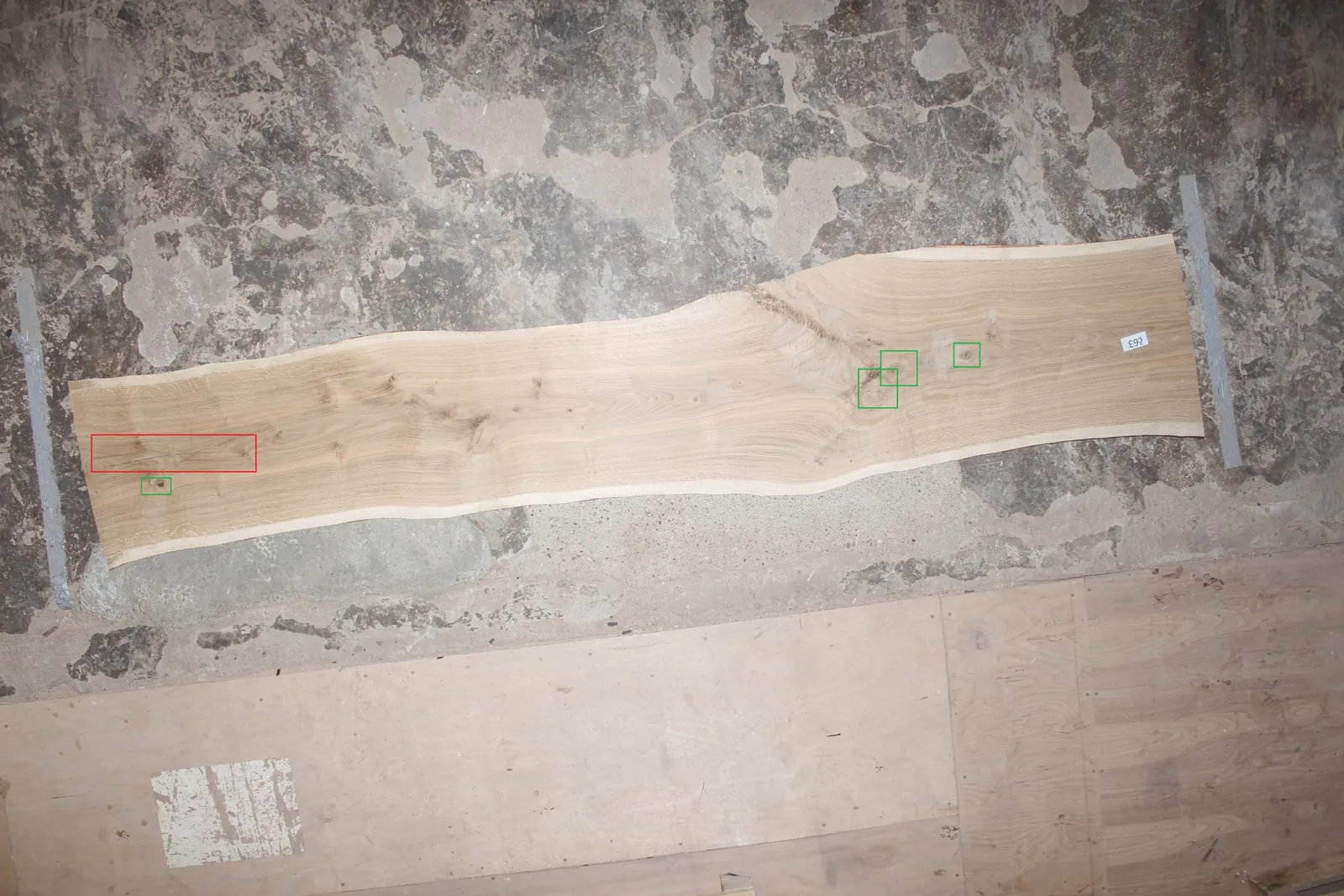
The wood industry demands precise quality control for appearance, strength, and durability. Traditional manual inspection is slow, subjective, and inconsistent across shifts. AI computer vision automates inspection at production speed — detecting knots, cracks, grain defects, and dimensional deviations with objective, repeatable accuracy.
Why computer vision for wood inspection?
Wood is a natural material with inherent variability — knots, grain patterns, Brass Cabinet Hardware, colour shifts, and surface characteristics differ between every board. Manual inspection cannot consistently classify this variability at production speed, leading to grading errors, material waste, and products that fail to meet customer specifications. AI vision provides objective, consistent grading that improves with every batch it processes.
- 01
Consistency and objectivity
Automated vision applies the same grading criteria to every board — eliminating human bias, fatigue-related variance, and inter-operator disagreement.
- 02
Production-speed inspection
Real-time image processing keeps pace with high-speed saw lines and planing equipment — no bottlenecks, no batch sampling.
- 03
Accurate defect detection
Identifies knots, cracks, splits, discolouration, insect damage, and sapwood — including defects that are difficult for human inspectors to classify consistently.
- 04
Grading, sorting, and traceability
Classifies each board by defect type, size, and grade — feeding automated sorting systems and creating digital records for quality tracking and certification.
Key inspection applications
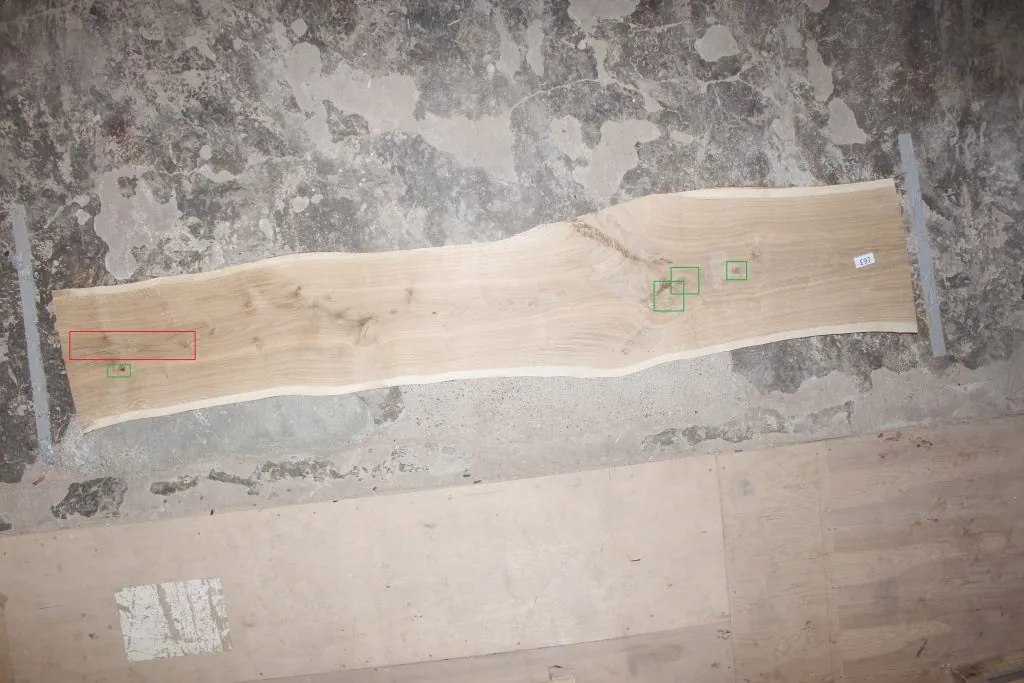
Surface defect detection — cracks, splits, knots, insect damage, and fungal stains on both faces
Dimensional measurement — length, width, thickness, and warpage to ensure specification compliance
Grain pattern analysis — grain direction and texture for aesthetic grading and structural evaluation
Colour and texture inspection — discolouration and inconsistent textures affecting product quality and value
Automated sorting — classification by defect type, size, or grade for downstream processing optimisation
Sapwood and heartwood detection — distinguishing timber grades for structural vs aesthetic applications
AI vision system inspecting wood panels for grain inconsistencies, surface defects, and colour variations — grading and routing boards automatically at production speed.
Technologies used
High-resolution cameras and multispectral imaging — capturing colour, texture, and surface characteristics across the full board width at line speed.
3D imaging for surface topology — measuring defect depth and assessing warpage, surface roughness, and dimensional compliance.
Machine learning trained on wood defect datasets — detecting complex defect patterns across different wood species, finishes, and grain types.
MES integration — inspection results feeding automated sorting gates and generating real-time production and quality reports.
Benefits for wood industry producers
Improved product quality and consistency — every board graded to the same objective standard
Reduced labour costs — automated grading replacing manual inspection teams on high-speed lines
Enhanced production efficiency — inspection integrated inline without adding cycle time
Minimised material waste — precise defect mapping allows optimal cutting around defects
Better certification compliance — digital inspection records for FSC, PEFC, and customer standards
Higher product value — accurate grading maximises premium product yield from each log
- 01
Key metrics
Inspection coverage 100% Consistency 100% Throughput impact Zero Deployment 1 day MES integration Included
- 02
Defects detected
Knots Cracks & splits Discolouration Insect damage Fungal stains Warpage
- 03
Explore more
Related case studies
More AI vision deployments across manufacturing.
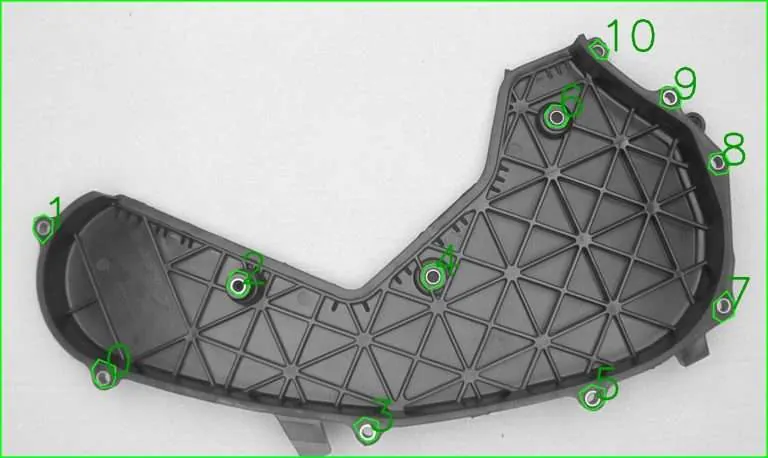
Case Study · Automotive Computer Vision & Injection Molding QC Read more

Case Study · Food AI Computer Vision for Cashew Quality Control Read more
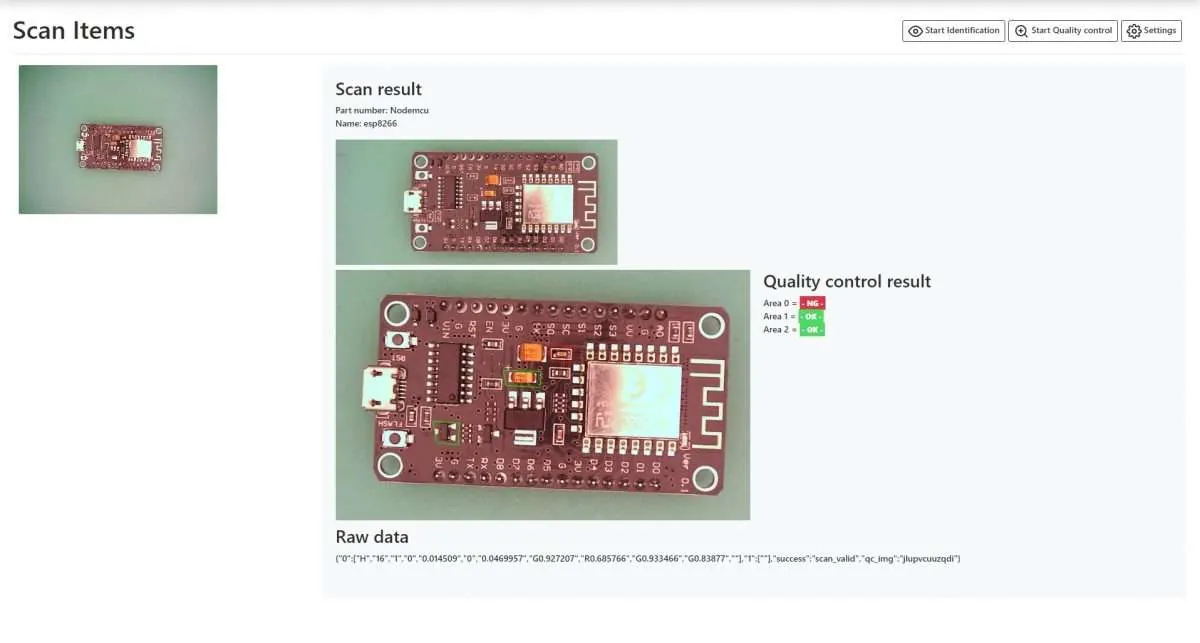
Case Study · Electronics Computer Vision for Micro Components & PCBs Read more