· 3 min read
Computer Vision, AI & Robotics: The New Automation.
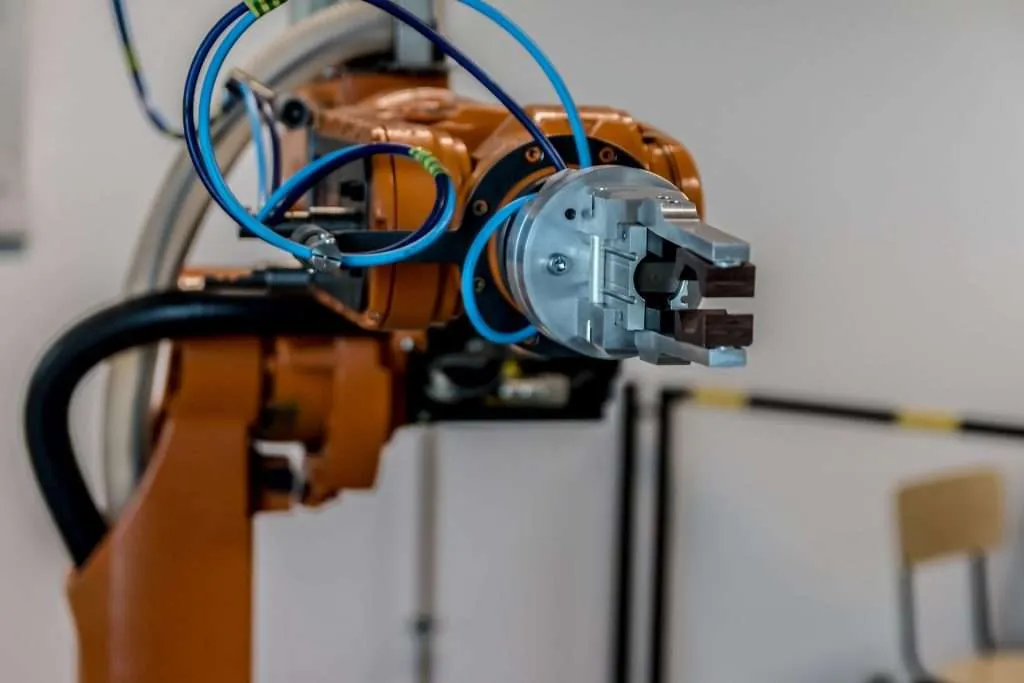
The convergence of computer vision, autonomous AI, and robotics is driving a new era of intelligent automation. By combining the ability to see, think independently, and physically interact with the environment, robots can now perform complex tasks with unprecedented precision, flexibility, and safety.
The three pillars of intelligent automation
No single technology delivers intelligent automation alone. It is the convergence of three capabilities — vision, intelligence, and physical action — that creates robotic systems capable of handling the complexity of real manufacturing environments.
- 01
Computer Vision
Cameras and sensors give robots the ability to see, interpret, and react to their visual environment in real time
- 02
Autonomous AI
AI enables autonomous decision-making, learning from experience, and adapting to new situations without explicit reprogramming
- 03
Robotics
Physical manipulation, movement, and precision control — executing complex tasks that vision and AI alone cannot accomplish
Computer vision: giving robots eyesight
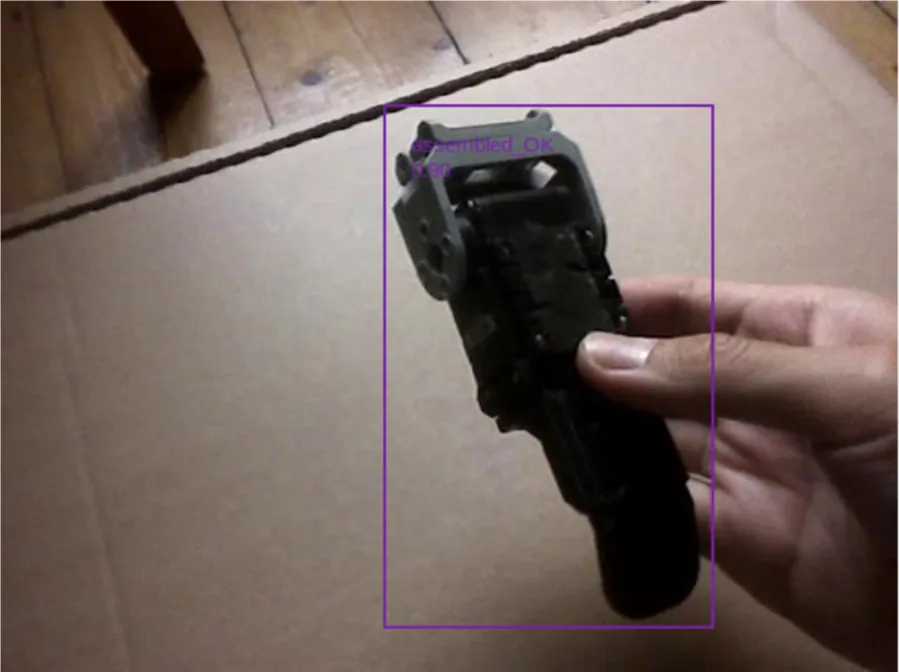
Computer vision equips robots with the ability to capture and interpret visual data from their surroundings. Through cameras and sensors, robots detect objects, assess quality, navigate environments, and adapt to changes in real time. This visual awareness enables tasks that were previously impossible to automate without human judgment.
- 01
Object detection and recognition
Identifying parts, products, and components by shape, size, colour, and position — enabling precise pick-and-place without fixed jigs or manual programming.
- 02
Quality assessment
Detecting surface defects, dimensional deviations, and assembly errors in real time — replacing manual inspection on the production line.
- 03
Navigation and environment mapping
AGVs and autonomous mobile robots navigating dynamic warehouse and factory environments — avoiding obstacles and adapting routes in real time.
- 04
Safe human-robot collaboration
Vision systems monitoring operator proximity, predicting human movement, and adjusting robot speed or trajectory to prevent collisions without safety cages.
Autonomous AI: decision-making and learning
Autonomous AI empowers robots to go beyond fixed rules — evaluating sensory inputs, making context-aware decisions, and continuously learning from outcomes. In practice, this means robots can handle variability, recover from errors, and improve over time without manual reprogramming, supporting precision-focused applications such as Dental Implants.
Context-aware decisions — evaluating visual data and acting based on current conditions, not fixed scripts
Self-optimising workflows — adjusting process parameters dynamically to maintain quality and throughput
Human-robot collaboration — understanding and anticipating operator needs and actions
Continuous learning — improving accuracy and adaptability from every production cycle
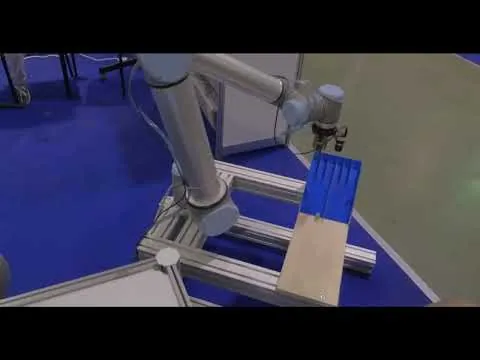
Robot arm aligning a component onto a shaft — computer vision provides precise positional feedback, eliminating the need for fixed jigs or manual alignment.
Applications across industries
- 01
Manufacturing
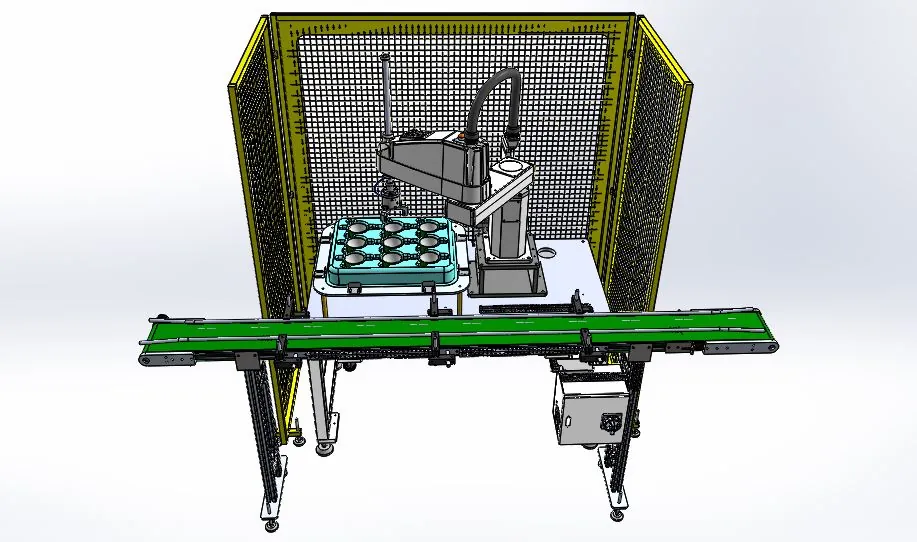
Automated inspection, adaptive assembly lines, and cobots working alongside human operators — reducing errors and increasing throughput
- 02
Logistics
Autonomous picking, packing, and warehouse navigation — AGVs and AMRs handling dynamic environments without fixed routes
- 03
Healthcare
Surgical robots with visual guidance, autonomous medication dispensing, and sterile material handling in clinical environments
- 04
Agriculture
Robots identifying and harvesting ripe crops using computer vision — adapting to natural variability in plant size, position, and ripeness
Benefits of integrating vision, AI, and robotics
Enhanced operational efficiency — automation of complex tasks previously requiring skilled human operators
Greater flexibility — handling variable product shapes, sizes, and positions without reprogramming
Reduced human error and improved safety — consistent, objective task execution with operator protection
Continuous improvement — AI learning from every cycle to increase accuracy and adaptability over time
- 01
Key capabilities
Inspection speed <0.5s Precision ±0.1mm Human supervision Optional Learning Continuous Deployment 1 day
- 02
Related guides
AI quality control Robot cybersecurity Connected machines & OEE AGV software
Related reading
More guides on robotics, AI, and intelligent automation.
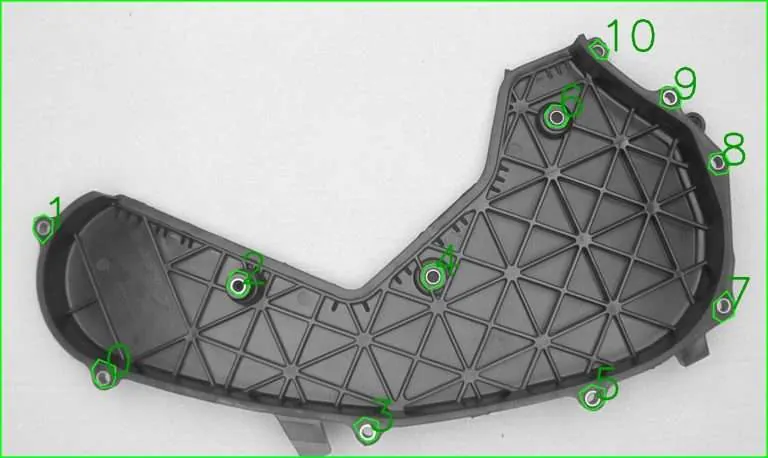
Case Study · Automotive Computer Vision & Injection Molding QC Read more
Guide · Security
Robot Cybersecurity in the Age of Autonomous AI
Read more
Guide · Industry 4.0
Connected Machines, AI & Computer Vision: Unlocking True OEE
Read more